

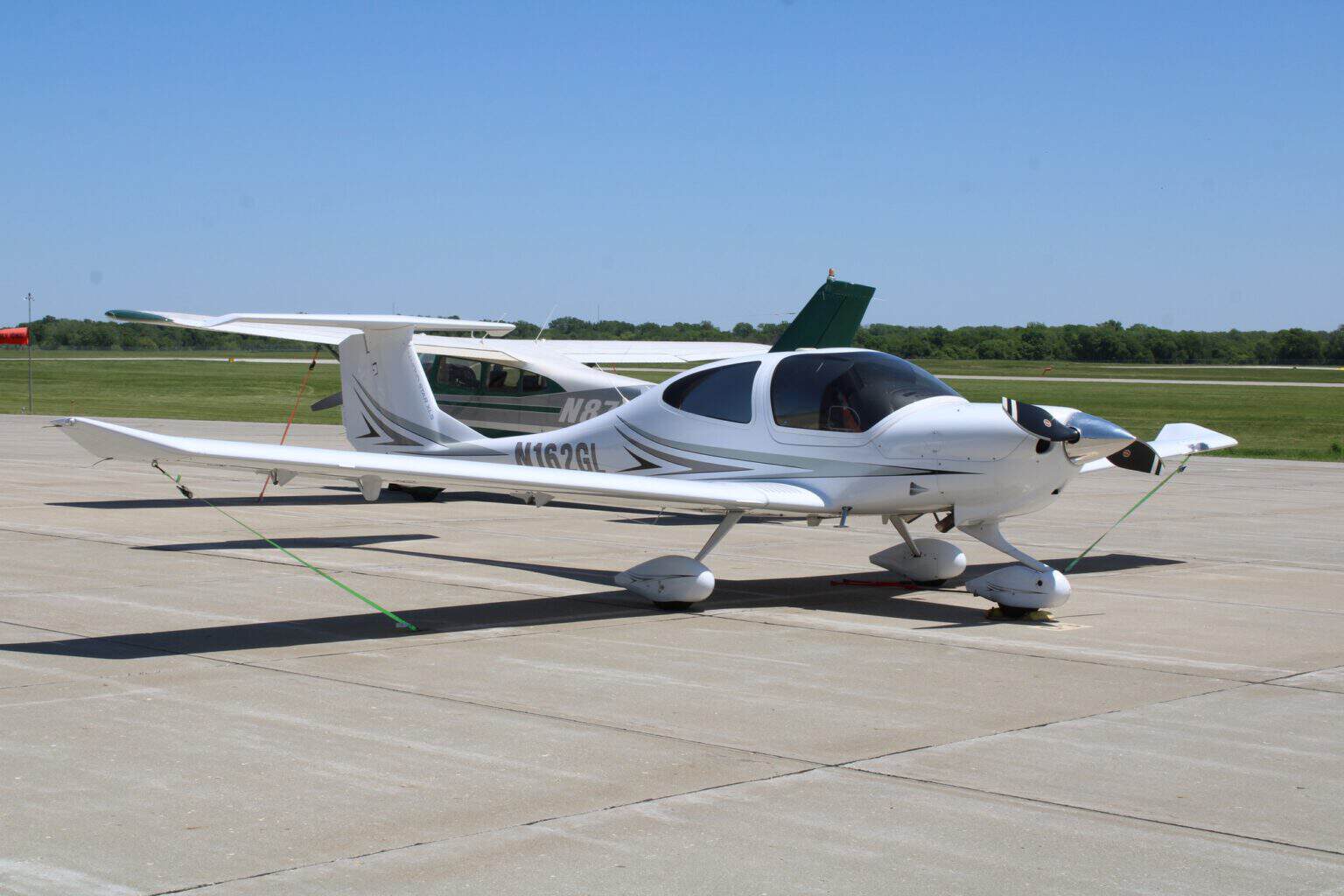
A Diamond DA40 that flight-tracking data identifies as N162GL crashed in rugged terrain north of Eldorado Canyon State Park, southwest of Boulder, Colorado, on Sunday night, October 4, 2026. Both people on board were killed, and rescuers did not find the wreckage until Monday morning.
The FAA said the plane went down around 9:30 p.m. local time with two people aboard. The National Transportation Safety Board is leading the investigation.
How the overnight search unfolded
According to the Boulder County Sheriff’s Office, the county’s communications center was alerted to a possible downed aircraft by the US Air Force Rescue Coordination Center at 9:42 p.m. on Sunday. An emergency beacon had activated near Eldorado Springs, matching the plane’s last radar position.
Searchers worked through the night, and a MedEvac helicopter flew with night vision equipment, but the aircraft was not found. Nearby airports were also checked, with no sign of the plane.
At about 10:15 a.m. on Monday, the MedEvac helicopter and the Civil Air Patrol spotted the crash site between Eldorado Canyon and the Flatirons. Rescuers reached it around noon and found two people dead, with no survivors.


About 40 rescuers and aviation personnel were working the incident on Monday morning, CPR News reported. A flight restriction over the site was set to run until at least 10 a.m. Tuesday, and officials asked the public to keep drones and planes away.
What the tracking data and FAA registry show
The sheriff’s office said the privately owned plane had departed from Vance Brand Airport in Longmont. FlightAware data shows a Diamond DA40 registered N162GL leaving Longmont at 6:32 p.m. on Sunday, with no flight plan filed, and its last position at about 9:29 p.m. near the area the sheriff described.
CPR News matched that track to the crash, but sheriff’s spokesperson Vinnie Montez could not confirm on Monday that N162GL was the aircraft found. At the time of writing, the victims have not been named.
The FAA registry lists N162GL as a 2012 DA40 with a Lycoming IO-360 piston engine, registered to Boulder Aviation Partners LLC of Boulder. Diamond markets the four-seat DA40 to private owners and flight schools alike.
Why a beacon, not a flight plan, started the search
The sheriff’s office noted that a flight plan is optional for a private flight like this one, which is why it could not say at first how many people were aboard. Without one, no one is formally expecting the plane at a destination.
In that situation, the emergency locator transmitter, or ELT, can raise the alarm. Under the FAA’s Aeronautical Information Manual, an armed ELT switches on automatically when it senses crash forces and is designed to transmit for at least 48 hours.
Modern 406 MHz beacons are picked up by the Cospas-Sarsat satellite system and registered with NOAA, which passes the alert to the Air Force Rescue Coordination Center. That center coordinates federal search and rescue on land across the 48 contiguous states and draws on state and local teams, as it did here when it alerted Boulder County.
Older beacons that transmit only on 121.5 MHz have not been monitored by satellite since 2009, and the FAA notes that rescuers usually wait for an overdue report before acting on them. The authorities have not said which type of beacon this plane carried.
What happens next
NTSB investigators were expected at the site on Tuesday, October 6, and the Boulder County Coroner’s Office is running its own inquiry into the cause and manner of death. Names will be released after the families are notified.
No cause has been given. The NTSB says it does not determine the cause of an accident while on scene, and its preliminary report on a crash is typically available within two weeks.
That early report summarizes the facts gathered on scene, not the cause. The final report, which names a probable cause, follows in approximately 18 to 24 months, so answers on this general aviation crash will take time.
Sources and references used for research and fact-checking.
- Boulder County Sheriff's Office, Update #1 Possible Single Engine Plane Crash in Boulder County
- FAA, Statements on Accidents and Incidents (Oct. 4, 2026, Boulder, Colorado)
- FAA Aircraft Registry, N-Number Inquiry: N162GL
- FAA, Aeronautical Information Manual, Chapter 6, Section 2: Emergency Services Available to Pilots
- US Air Force, First Air Force, Air Force Rescue Coordination Center (AFRCC)
- NTSB, Aviation Accident: Family assistance overview
- Diamond Aircraft, DA40 overview
Get the Newsletter
The latest aviation news and stories sent to your inbox.
About the Author
Tim is the owner and lead editor of AeroCorner since 2019, overseeing aviation content covering aircraft, airlines, airports, and the broader aviation industry. Through years of researching, writing, editing, and publishing aviation-focused content, he has developed extensive practical knowledge of commercial aviation and air travel. Based in Asia and a frequent traveler himself, Tim also brings firsthand passenger experience to AeroCorner’s coverage. Outside of publishing, he has also explored aviation firsthand through hands-on flight training in New Zealand.