

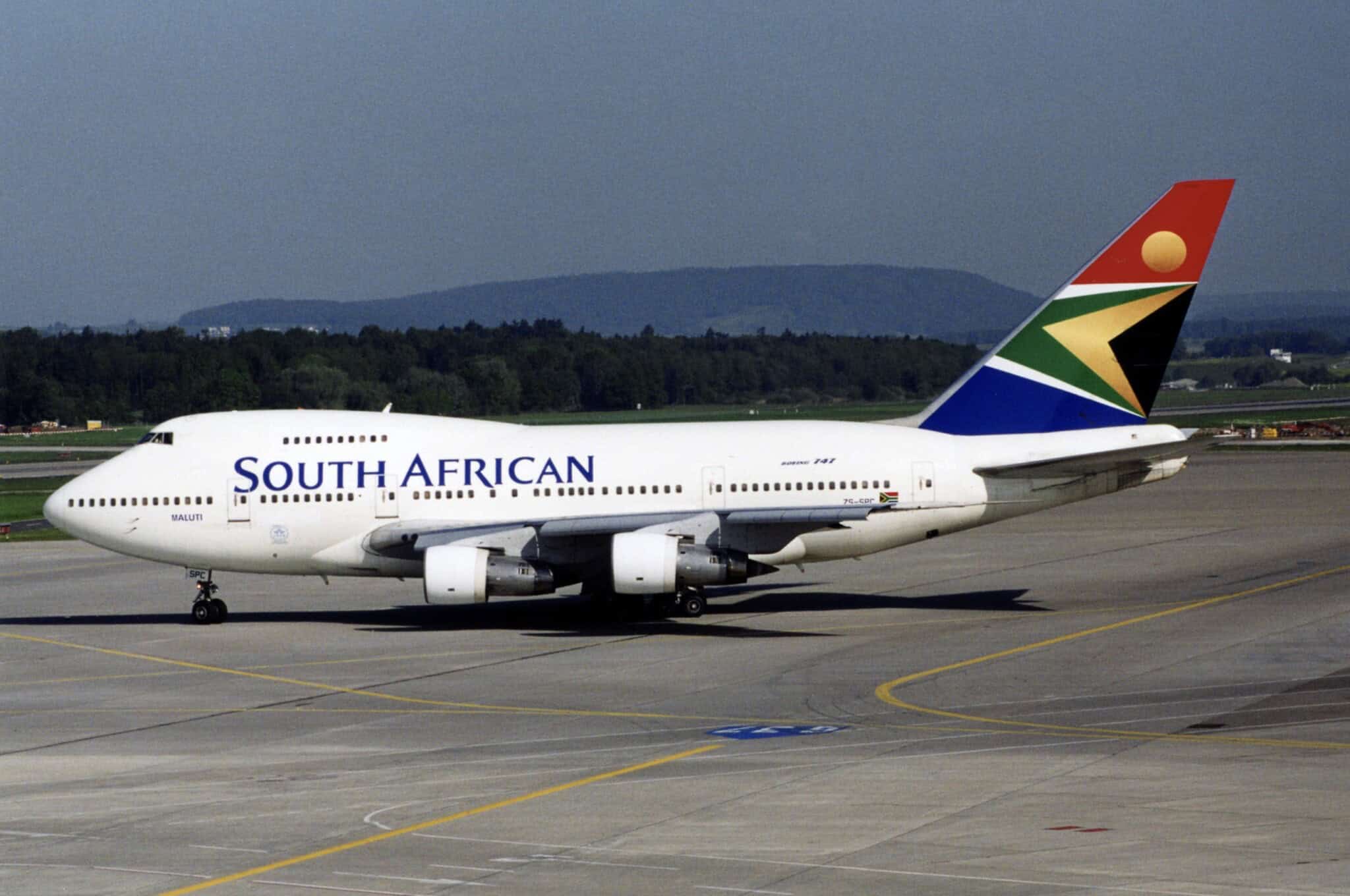
Emirates and South African Airways said on August 5, 2026, that they are expanding their nearly 30-year partnership into a fully reciprocal codeshare. For the first time, Emirates can sell tickets under its own flight code on nine of SAA’s domestic and regional African routes.
What’s actually changing
Until now, the arrangement ran one way. South African Airways placed its code on Emirates-operated flights between Dubai and Johannesburg, Cape Town, and Durban, giving SAA passengers interline access to 68 Emirates destinations worldwide. Emirates could not do the same in reverse.
Under the new deal, Emirates can put its own “EK” code on nine SAA-operated routes out of Johannesburg: three domestic legs to Cape Town, Durban, and Port Elizabeth, and six regional routes to Kinshasa, Gaborone, Windhoek, Lusaka, Harare, and Victoria Falls.
| Type | New Emirates-code routes from Johannesburg |
|---|---|
| Domestic | Cape Town, Durban, Port Elizabeth |
| Regional | Kinshasa, Gaborone, Windhoek, Lusaka, Harare, Victoria Falls |
“This reciprocal codeshare partnership with South African Airways is a natural evolution of a relationship that has served our customers well for many years,” said Adnan Kazim, Emirates’ deputy president and chief commercial officer.
SAA’s acting group chief executive, Matshela Seshibe, said the expansion “marks an important milestone in SAA’s strategy to strengthen connectivity across Africa,” according to Aviation News.
Why a codeshare beats flying there yourself
A codeshare puts one airline’s flight number on a plane actually operated by its partner, so Emirates does not need its own aircraft, crews, or slots to sell seats to Victoria Falls or Gaborone. It simply books passengers onto SAA’s existing schedule under an EK flight number, extending its network overnight instead of over years.
For travelers, the reciprocal deal means a single ticket, coordinated connection times, and through-checked baggage from an Emirates long-haul flight straight onto an SAA regional hop, rather than two separate bookings.
Flying those routes directly would also mean negotiating new bilateral air services rights into each country, a slower process than expanding through a partner that already holds them. A codeshare sidesteps that entirely: SAA keeps the aircraft, the crews, and the traffic rights, while Emirates rents space on the flight number.
The deal also helps SAA, which has been rebuilding its route map since emerging from a government-led business rescue process in 2021. A wider codeshare with a global carrier like Emirates gives its domestic and regional flights access to long-haul connecting traffic without SAA having to add a single aircraft.
Emirates currently flies 56 weekly flights into OR Tambo International Airport and South Africa’s two other gateways, using a mix of Boeing 777s and Airbus A380s. Those three cities now double as connecting points into a much wider stretch of southern and central Africa.
Nearly three decades of partnership
Emirates and South African Airways have worked together since 1997 and have carried more than 20 million passengers to and from South Africa since 1995.
The move fits a broader pattern of Gulf carriers reaching into markets they have no interest in flying themselves. Qatar Airways used its own aircraft to open new routes to Caracas and Bogota in July. Emirates is chasing the same kind of expansion here through a partner’s metal instead.
Reality check
This is a codeshare, not new capacity. No additional flights are being added; Emirates is simply selling seats on routes SAA already operates.
Sources and references used for research and fact-checking.
Get the Newsletter
The latest aviation news and stories sent to your inbox.
About the Author

Tim is the owner and lead editor of AeroCorner since 2019, overseeing aviation content covering aircraft, airlines, airports, and the broader aviation industry. Through years of researching, writing, editing, and publishing aviation-focused content, he has developed extensive practical knowledge of commercial aviation and air travel. Based in Asia and a frequent traveler himself, Tim also brings firsthand passenger experience to AeroCorner’s coverage. Outside of publishing, he has also explored aviation firsthand through hands-on flight training in New Zealand.