

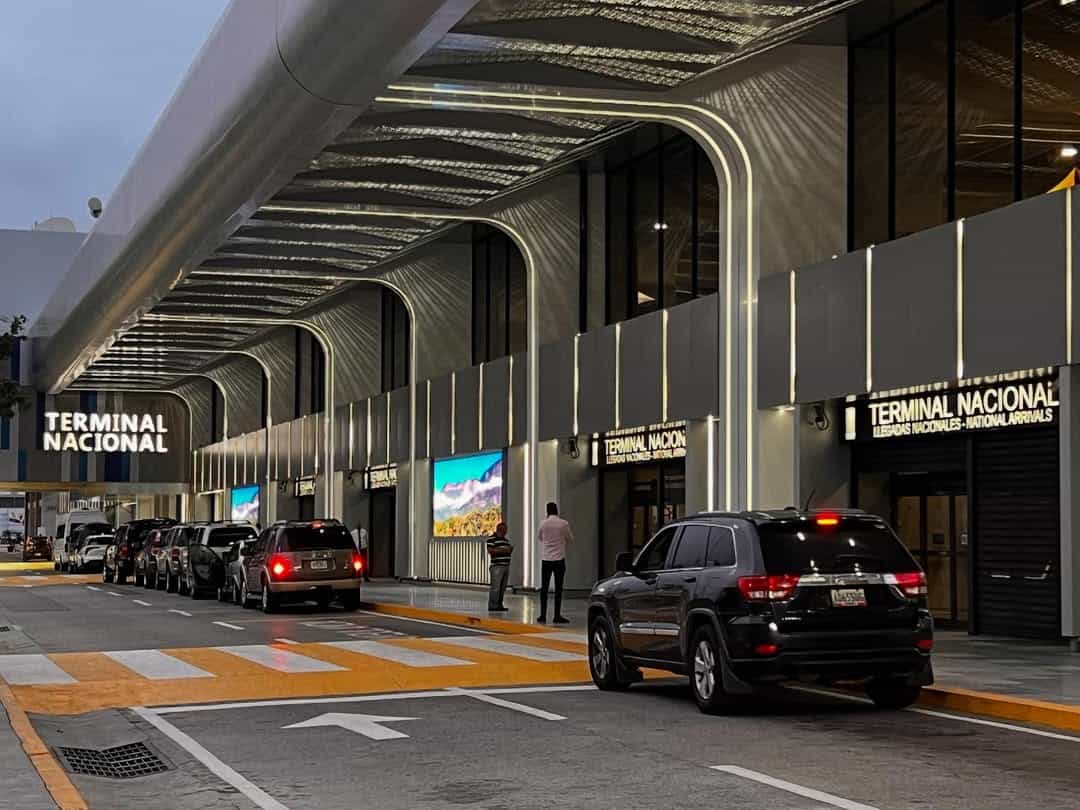
Venezuela’s busiest airport is handling commercial passengers again. On September 1, 2026, Simón Bolívar International Airport in Maiquetía, just north of Caracas, resumed domestic and international flights from a temporary terminal, just under 10 weeks after two earthquakes on June 24 closed the complex.
The Associated Press reported that the first day covered seven domestic and four international round trips. The same quakes killed more than 6,500 people and left roughly 17,900 homeless.
What reopened, and what is still broken
The runways were not the problem. According to Venezuela’s Ministry of Popular Power for Transport, the June 24 quakes, measured at magnitude 7.2 and 7.5, damaged the control tower and the passenger and cargo buildings, while the airfield itself stayed usable.
Rather than wait for the main terminal, the government put up a temporary terminal in the airport parking areas in under two months. Passengers check in there and ride buses out to their aircraft on the apron.
Copa Airlines of Panama and Air Europa of Spain led the international return, with Iberia and American Airlines due to follow within days. Cargo flights had already restarted on August 5, according to Airways.
Transport Minister Francisco Garcés said the reopening restores about 25% of the airport’s pre-earthquake traffic, with a target of 40% within a few months and 60% by early 2027. He gave no completion date for the main terminal repairs.
Why bringing an airport back takes months
A large international airport is a system, not a single building: runways, approach lighting, a control tower, radar and navigation aids, fuel storage, jet bridges, baggage handling, and customs and immigration halls. A strong earthquake can damage any of them, and each has to be inspected and cleared before flights resume.
The tower is often the hardest piece. Controllers need a sound structure with working radios, radar feeds, and backup power, and if the permanent tower is unsafe, traffic runs from a temporary setup with lower capacity. That is part of why Maiquetía is starting at a quarter of its normal schedule.
International routes add another gate. Garcés said outside inspectors reviewed the temporary arrangement before flights resumed. Foreign airlines and their regulators generally will not operate into an airport until they are satisfied the runway, approach aids, and rescue and firefighting cover meet international standards.
This is the second shock to Venezuelan air travel in a year. Qatar Airways only became the first Gulf carrier to serve the country in early 2026, and US airlines spent part of the year out of Venezuelan airspace entirely before service was restored.
June 24, 2026
Twin earthquakes. Magnitude 7.2 and 7.5 quakes strike the coast, kill more than 6,500 people, and close Simón Bolívar International Airport.
August 5, 2026
Cargo first. Freight operations resume while the passenger terminals stay shut.
September 1, 2026
Passengers return. A temporary terminal opens with seven domestic and four international round trips, about 25 percent of normal capacity.
Early 2027
The target. The government aims to reach 60 percent of pre-quake traffic, with no date set for the main terminal.
Reality check: the capacity targets are goals, not a schedule
The 40 percent and 60 percent milestones come from Venezuela’s transport ministry and are not backed by a published construction timeline. The main terminal complex has no announced reopening date, and airline schedules in the first weeks are changing day to day.
Sources and references used for research and fact-checking.
Get the Newsletter
The latest aviation news and stories sent to your inbox.
About the Author

Tim is the owner and lead editor of AeroCorner since 2019, overseeing aviation content covering aircraft, airlines, airports, and the broader aviation industry. Through years of researching, writing, editing, and publishing aviation-focused content, he has developed extensive practical knowledge of commercial aviation and air travel. Based in Asia and a frequent traveler himself, Tim also brings firsthand passenger experience to AeroCorner’s coverage. Outside of publishing, he has also explored aviation firsthand through hands-on flight training in New Zealand.