

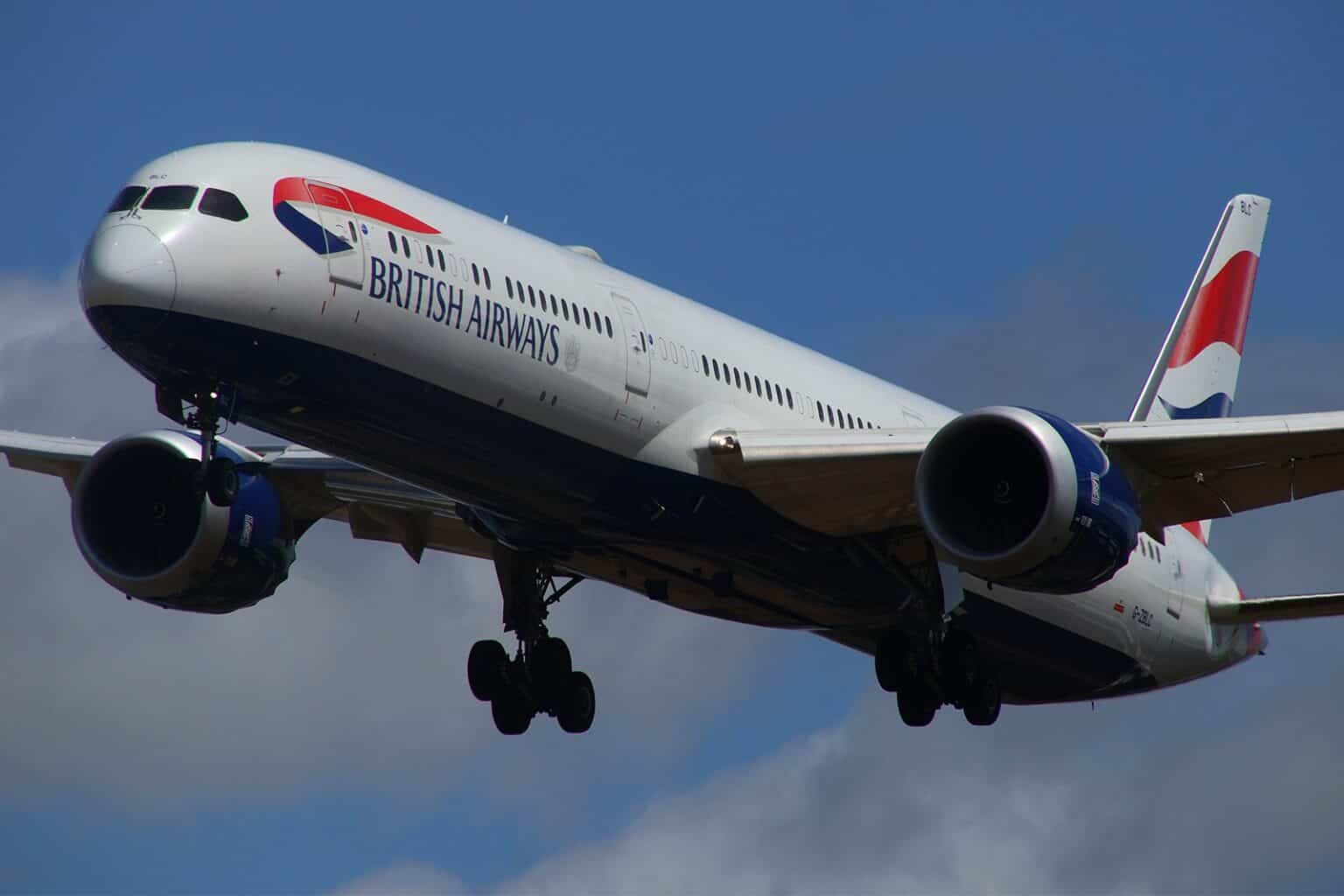
British Airways flight BA239 from London Heathrow declared an emergency over the North Atlantic on the evening of November 24, 2026, over an engine oil leak, then flew on at reduced power and landed safely in Boston about an hour late. Flightradar24 data shows the Boeing 787-10 was G-ZBLC, the same jet that diverted to Athens with an engine shut down on November 14-15.
British Airways has not commented publicly on the flight, and no official cause has been given. No injuries have been reported.
What the tracking data shows
BA239 took off from Heathrow at about 7:32 p.m. UK time, according to its Flightradar24 history, after a scheduled 7:10 p.m. departure. It cruised at 36,000 and then 38,000 feet on a northern track that passed south of Iceland and crossed Greenland.
At about 11:15 p.m. UK time, nearly four hours into the flight and over southwestern Greenland, the jet began to descend. Over the next hour it stepped down to 28,000 feet and turned south toward Labrador, the flight’s recorded track shows.
Its speed fell as well. At 28,000 feet the Boeing 787 Dreamliner was making about 340 knots over the ground, against 460 to 500 knots earlier in the crossing.
A reported oil leak at high power
The crew set transponder code 7700, the general emergency code, more than four hours into the flight, Simple Flying and Irish Star reported. A 7700 squawk code alerts air traffic control and gives the flight priority handling.
Citing air traffic control recordings, Simple Flying reported that the pilots told Gander controllers in Canada the jet was losing oil when the engines ran at high power. Once thrust was reduced, the leak stopped getting worse, and the crew kept the power low for the rest of the flight.
British Airways and Rolls-Royce have not confirmed that account. It also does not say which of the two Trent 1000 engines was affected.
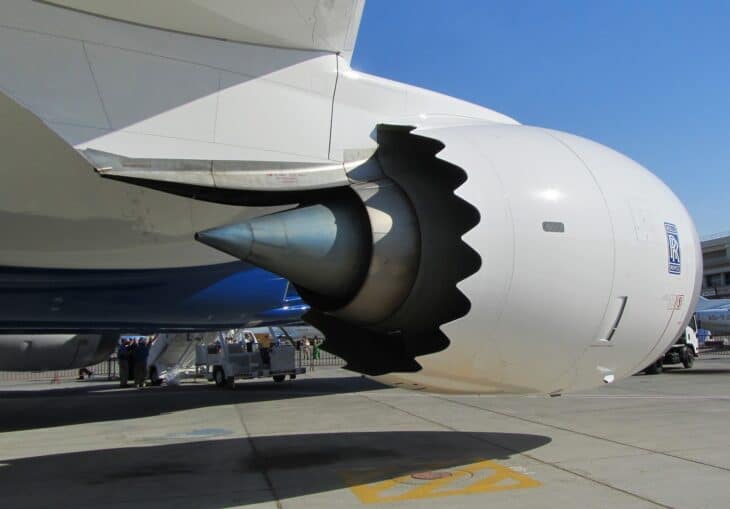

Keflavik in Iceland was on the table. ACARS data-link messages shared on X show British Airways maintenance recommended diverting there, Simple Flying reported, but the crew continued to Boston instead.
The descent began over Greenland, already well past Iceland, and the jet never turned back. By 2:15 a.m. UK time it was still at 28,000 feet over eastern Quebec, holding course for Boston.
The same jet diverted to Athens 10 days ago
G-ZBLC was the aircraft on BA105 to Dubai, which diverted to Athens overnight on November 14-15 after the crew shut down its right-hand Trent 1000. A passenger told The Aviation Herald that the crew had announced an oil leak in that engine.
The jet stayed in Athens until November 20. Its Flightradar24 record shows it flying back to Heathrow that day as BA9171, and it lists no other flight between that return and BA239.
Whether the two events are connected is not known. British Airways has not said what was found or repaired after the Athens diversion, or whether the same engine was involved on BA239.
The Trent 1000’s oil lines have drawn regulators’ attention this year for a different reason. In October the FAA finalized a fan cowl directive for Trent 1000-powered 787s, aimed at protecting one engine’s oil lines from debris thrown by the other, and nothing published links either flight to it.
Why the crew could keep going
The two flights ended differently because, on the accounts so far, the problems were handled differently. On BA105 the crew shut an engine down and diverted to the nearest suitable airport, as crews normally do once a twin-engine jet is down to one engine.
On BA239 the reports describe both engines still running, with power reduced to stop the oil loss from getting worse. Flying lower and slower costs time, which is why BA239 was running about an hour late.
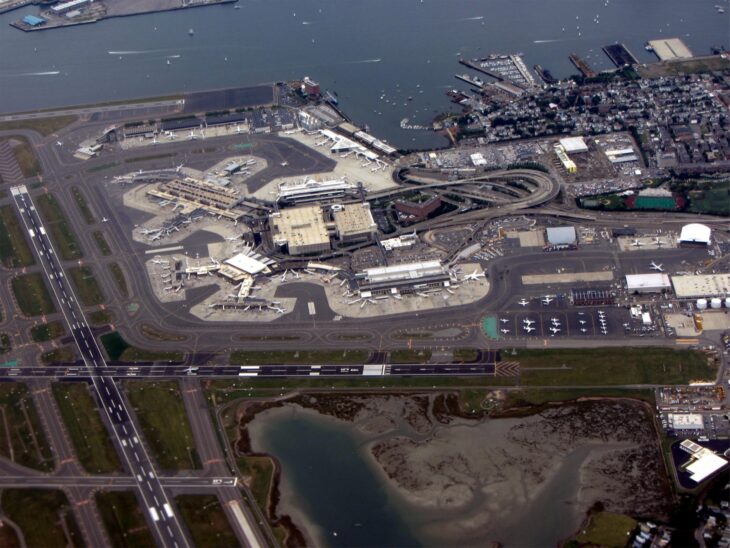
BA239 landed at Boston Logan at about 10:55 p.m. Eastern time, against a scheduled 9:50 p.m., according to Flightradar24 and Simple Flying. The jet’s scheduled return to Heathrow on November 25, BA238, is listed as canceled on its Flightradar24 record.

Sources and references used for research and fact-checking.
Get the Newsletter
The latest aviation news and stories sent to your inbox.
About the Author

AeroCorner News is the aviation news desk of AeroCorner.com. It covers accidents and incidents, safety rulings, airline and airport disruption, and new aircraft. It works from primary sources such as the NTSB, FAA, EASA and the manufacturers' own announcements.