

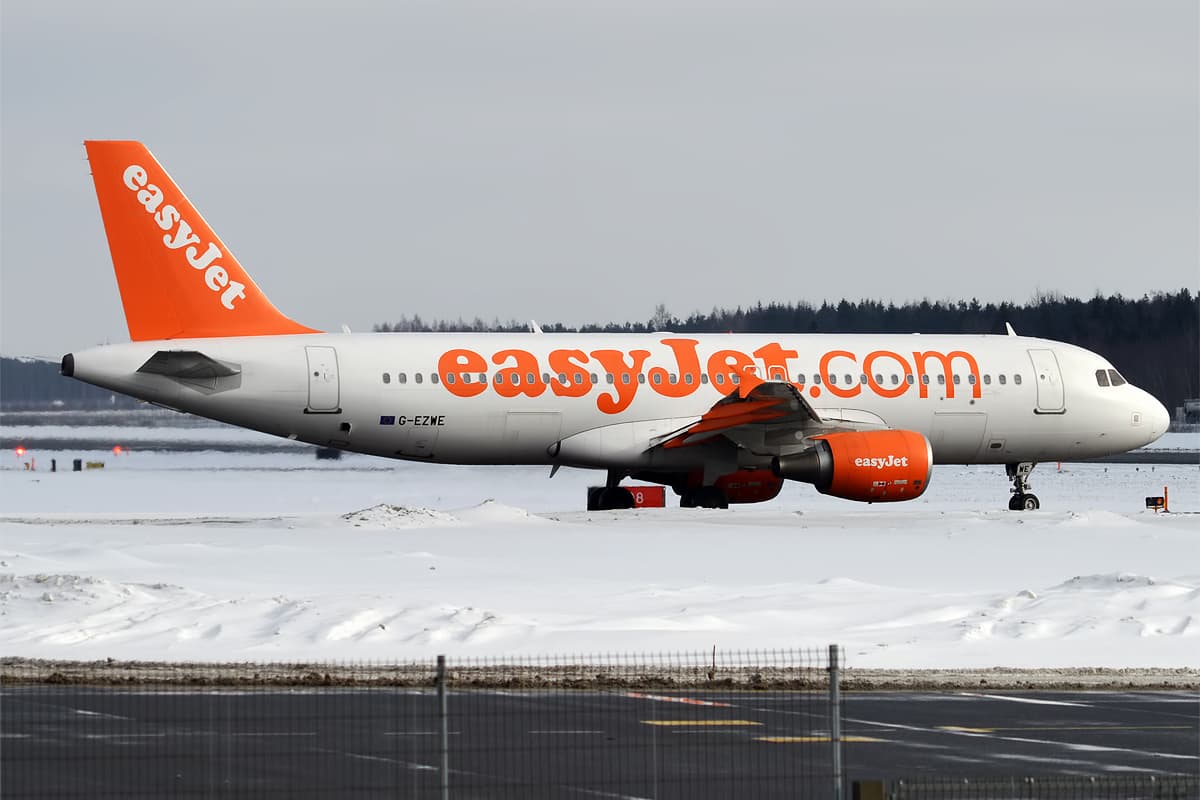
On August 6, 2026, private equity firm Apollo Global Management agreed a recommended £5.7 billion ($7.6 billion) cash takeover of easyJet, according to the companies’ joint announcement. The deal closes out a months-long bidding war after rival suitor Castlelake withdrew its competing offer the same day.
easyJet is Europe’s second-largest budget carrier, flying an all-Airbus fleet of roughly 360 narrowbody jets, with more A320neo-family aircraft arriving each year as older A319s and A320ceos retire. Apollo’s offer would end its 25 years as a public company.
How the bidding war played out
Castlelake had circled easyJet since spring, making five successive proposals to win the board’s backing. Its final offer valued the airline at roughly £6.90 a share, about £5.5 billion in total, according to a UK Panel on Takeovers and Mergers disclosure filed through Investegate.
Apollo entered the contest on July 10, 2026, with a higher £7.15-a-share indication, which pushed the easyJet board to drop its recommendation of Castlelake’s bid in favor of continued talks with Apollo. Both bidders were then held to the same deadline to make a firm offer or walk away.
Apollo converted its indication into a firm, binding offer under UK takeover rules on August 6, a day ahead of that deadline. Castlelake confirmed it would not raise its bid further, and Bloomberg reported the firm was exiting the process entirely.
May 29, 2026
An offer period opens after Castlelake’s early approaches to easyJet’s board become public.
July 8, 2026
Castlelake submits its fifth and final proposal, around £6.90 a share.
July 10, 2026
Apollo enters with a £7.15-a-share indication; the board drops its Castlelake recommendation.
August 6, 2026
Apollo announces a firm £5.7 billion offer under Rule 2.7. Castlelake withdraws.
easyJet’s directors unanimously recommend the offer. Chairman Sir Stephen Hester said the deal “appropriately recognises the quality of the business we have built and delivers immediate, certain and attractive value for shareholders.” Chief executive Kenton Jarvis said Apollo’s “experience in the aviation sector makes it a strong partner for easyJet.”
Why the deal needs an unusual ownership structure
A straightforward cash buyout by a US private equity firm would normally threaten easyJet’s operating licenses. EU and UK aviation rules require an airline to stay majority owned and effectively controlled by EU or UK nationals to keep flying protected domestic and intra-European routes.
To stay inside those rules, Apollo built the deal around a rollover structure instead of a clean sale. Existing shareholders, including founder Sir Stelios Haji-Ioannou’s family, can elect shares in the new parent company rather than cash, and are set to retain 45.1 to 49.9 percent of it.
A separate EU trust holds up to 5 percent more, capping Apollo’s own stake at 49.9 percent.
The Haji-Ioannou family has committed to vote for the deal and to elect shares over cash for its roughly 15.3 percent stake, according to the companies’ Rule 2.7 announcement. Apollo says it will keep easyJet’s existing management and the easyJet brand in place.
An 81 percent premium
Apollo’s 715 pence-a-share offer is 81 percent above easyJet’s closing share price before takeover speculation began, and 22 percent above its highest close in the prior four years.
What still has to happen
A firm offer is not a completed deal. easyJet shareholders must clear both a court meeting and a general meeting, each requiring roughly 75 percent approval, before a UK court can sanction the scheme.
The takeover also needs merger-control clearance in Austria, Egypt, Germany and the UK, foreign-investment approval in Austria, France, Italy, Malta, Spain and the UK, and sign-off from aviation regulators on easyJet’s operating licenses. Apollo and easyJet are targeting completion by the end of the first quarter of 2027.
Not yet final
The offer is recommended and binding under UK takeover rules, but completion depends on shareholder votes, court sanction, and regulatory clearances across multiple countries. easyJet’s own filing flags ongoing macroeconomic and geopolitical uncertainty in aviation as a risk to that timeline.
If the deal closes, it would be one of the largest private equity buyouts in European aviation, and would tie easyJet’s fare structure and network decisions, discussed in AeroCorner’s explainer on how airlines set ticket prices, to a private owner for the first time.
Sources and references used for research and fact-checking.
Get the Newsletter
The latest aviation news and stories sent to your inbox.
About the Author

Tim is the owner and lead editor of AeroCorner since 2019, overseeing aviation content covering aircraft, airlines, airports, and the broader aviation industry. Through years of researching, writing, editing, and publishing aviation-focused content, he has developed extensive practical knowledge of commercial aviation and air travel. Based in Asia and a frequent traveler himself, Tim also brings firsthand passenger experience to AeroCorner’s coverage. Outside of publishing, he has also explored aviation firsthand through hands-on flight training in New Zealand.