

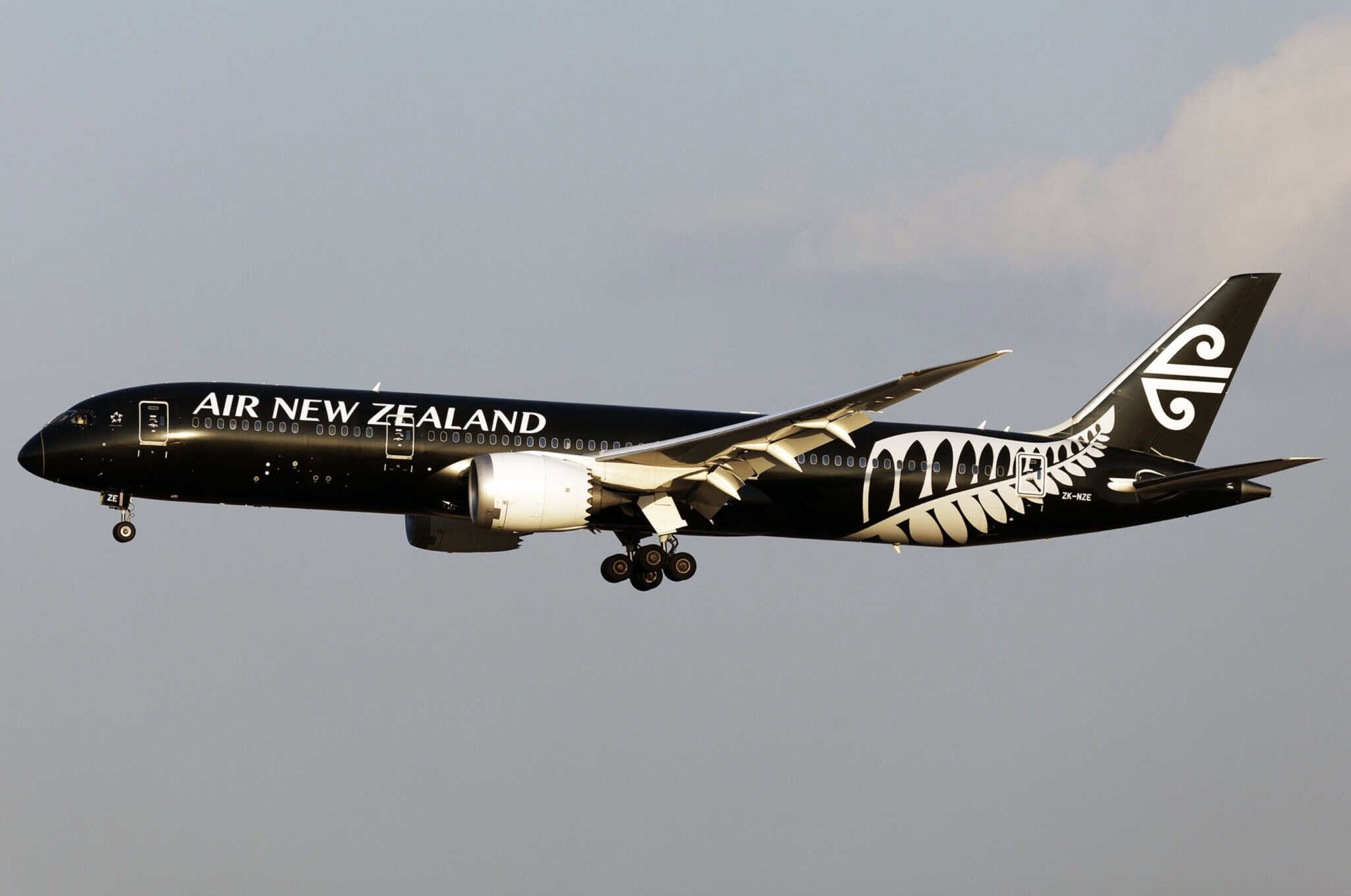
New Zealand’s Commerce Commission said on November 19, 2026, that it will file charges against Air New Zealand under the Fair Trading Act. The regulator alleges the airline misled passengers about their right to compensation when flights were delayed or canceled for reasons within its control.
The charges will be filed in the Auckland District Court. The Commission believes the statements in question were likely made from January 2024 onward, and said it cannot give further detail now that the case is headed to court.
What the Commission alleges
According to the Commission’s announcement, Air New Zealand made statements about passenger entitlements that were not in line with the law. Those included telling passengers that compensation was strictly capped at amounts lower than the statutory limits.
The regulator also points to statements that limited the airline’s liability for certain types of reimbursement. In its view, some passengers wrongly assumed they had no claim at all, and legitimate claims were rejected.
“Ultimately, we believe passengers missed out on money they were entitled to under the law.”
Anne Callinan, Deputy Chair, Commerce Commission
Callinan also said consumers had “frequently raised concerns” about Air New Zealand over the past five years. None of the allegations has been tested in court.
Air New Zealand apologizes but questions the prosecution
In a statement reported by 1News, chief customer and digital officer Jeremy O’Brien said the investigation raised concerns about “a small number of cases” where the airline’s communications were not as clear as they could have been. “We acknowledge that we didn’t get it right for those customers, and we’re sorry,” he said.
The airline said it voluntarily reviewed more than 62,000 claims tied to disruptions within its control and found mistakes in fewer than 1% of them. It said those errors were not intentional or systemic, and that it has contacted the affected customers to put things right.
Air New Zealand said it will keep cooperating with the Commission but is disappointed the regulator chose court proceedings. The charges land on top of a difficult stretch for the carrier, which reported a NZ$336 million pre-tax loss for its 2026 financial year in August.
What New Zealand law gives disrupted passengers
New Zealand’s Civil Aviation Act makes airlines reimburse domestic passengers for losses caused by a delay or cancellation that is within the airline’s control.
The Commission lists engineering issues, crew sickness, staffing and operational delays as examples. Passengers can claim reasonable costs such as meals, accommodation and the expense of getting to their destination, up to 10 times the price of the ticket.
International trips fall under the Montreal Convention instead. There, the airline owes reasonable delay costs unless it shows it did all it reasonably could to prevent the disruption, up to the Convention’s cap.
That cap has risen twice since its original 4,150 Special Drawing Rights. The International Civil Aviation Organization raised it to 6,303 Special Drawing Rights from December 28, 2024, which ICAO put at about US$8,400 at the time.
The practical gap between the law and an airline’s reply is where this case sits. A passenger told that hotel costs are capped at a low fixed figure may never file the claim the law allows, which is why the Commission’s case centers on what the airline told passengers.
The US takes a different route again, setting federal rules on meals and hotels rather than a fare multiple.
The Jetstar case set the template
The Commission has run this playbook before. In September 2024 it announced similar Fair Trading Act charges against Jetstar, alleging the Qantas-owned low-cost carrier misled passengers about compensation for disruptions within its control.
That case ended on September 1, 2025, with a NZ$2.25 million fine, which the Commission called one of the biggest penalties ever imposed under the Act. The charge period covered statements made between January 1, 2022, and March 22, 2024.
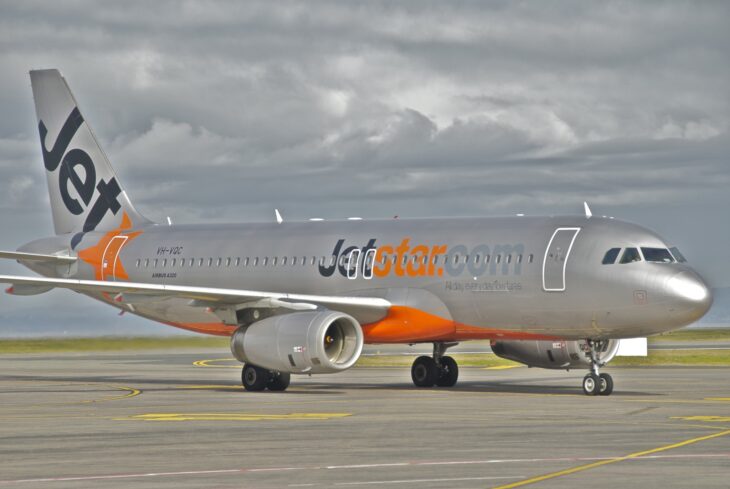

Jetstar has since paid NZ$1,039,390 to 2,692 affected customers, according to the Commission. The Air New Zealand case now tests the same rules against New Zealand’s national airline.
For travelers, the takeaway is practical: a disruption caused by a mechanical fault or crew shortage on a New Zealand domestic flight can support a claim for reasonable costs of up to 10 times the fare. Understanding why flights get canceled is the first step in knowing whether the airline is on the hook.
Sources and references used for research and fact-checking.
- Commerce Commission, ComCom alleges Air New Zealand misled passengers about their compensation rights
- Commerce Commission, ComCom action results in $2.25 million penalty for Jetstar after misleading Kiwi consumers
- Commerce Commission, ComCom alleges Jetstar misled consumers about compensation for flight delays and cancellations
- ICAO, International air travel liability limits set to increase, enhancing customer compensation
Get the Newsletter
The latest aviation news and stories sent to your inbox.
About the Author

AeroCorner News is the aviation news desk of AeroCorner.com. It covers accidents and incidents, safety rulings, airline and airport disruption, and new aircraft. It works from primary sources such as the NTSB, FAA, EASA and the manufacturers' own announcements.