Military Helicopters
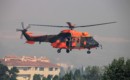
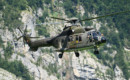
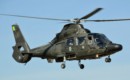
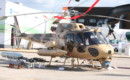
Eurocopter AS550 C3 Fennec
ICAO: AS50
The utility helicopter built for U.S. Army support missions.
The latest aviation news and stories sent to your inbox.
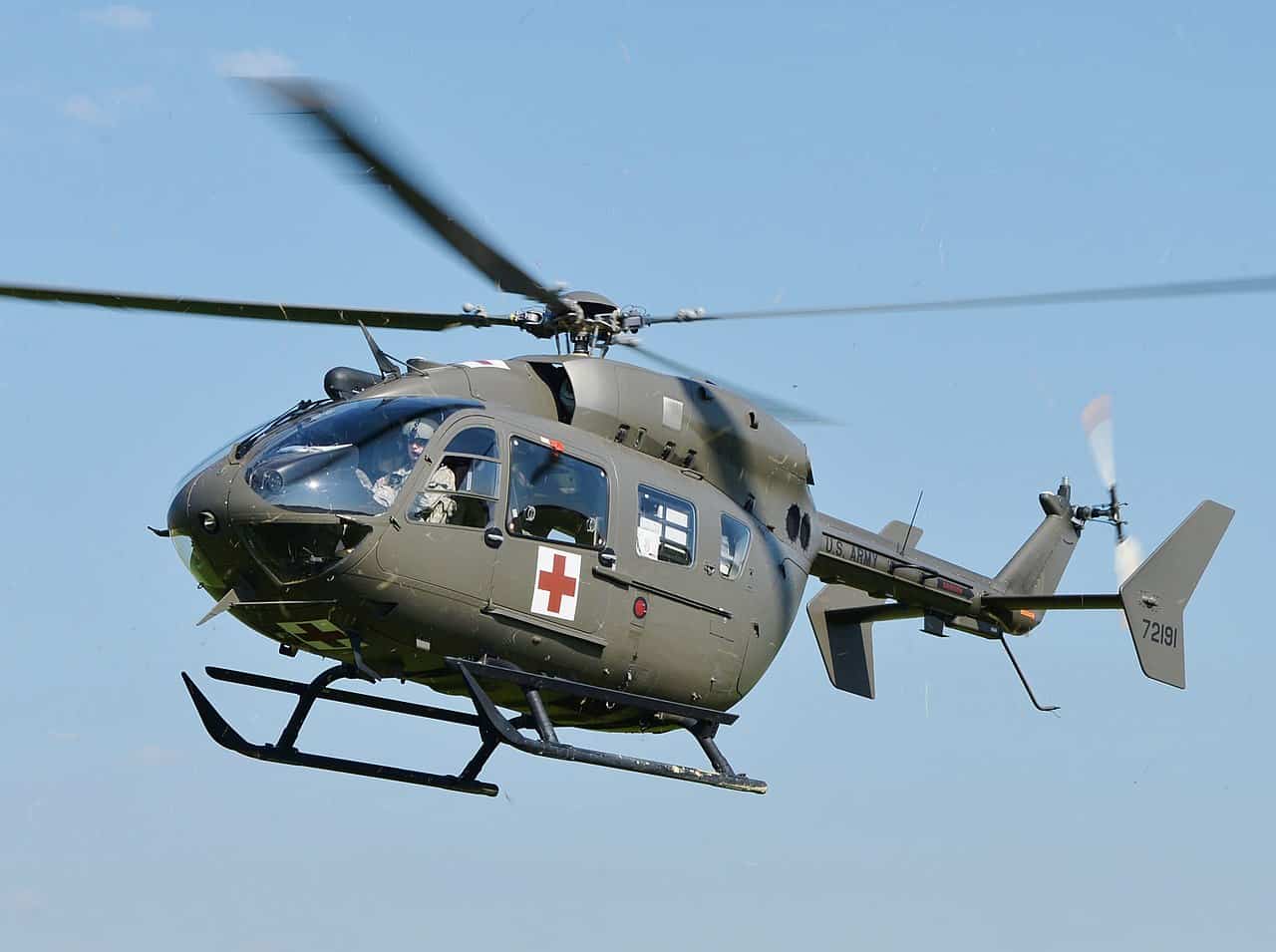
The Eurocopter UH-72A Lakota is a U.S. Army variant of the EC145. Introduced in the late 2000s, it supports training and domestic missions. The aircraft is designed for reliability and cost efficiency.
Live Fleet Activity (UH72)
Fetching live data…


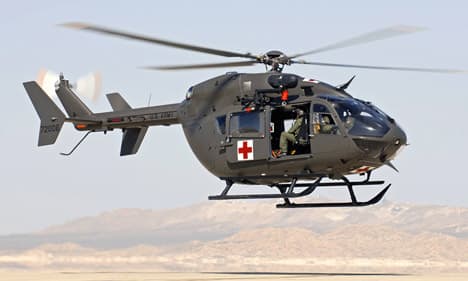


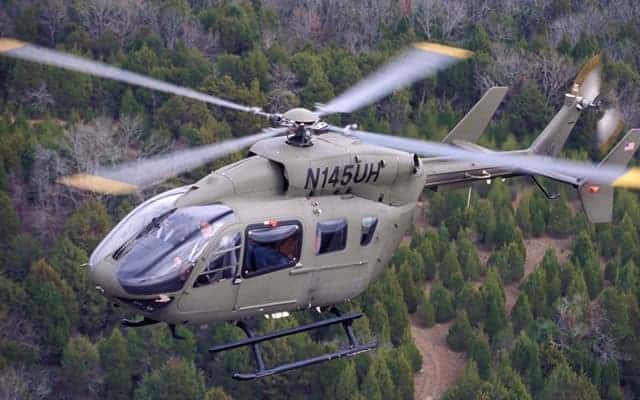
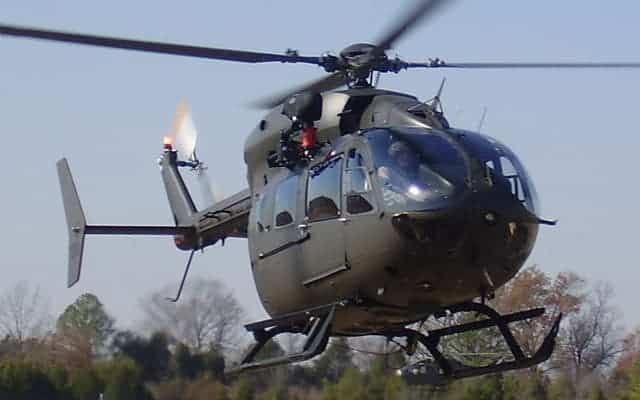

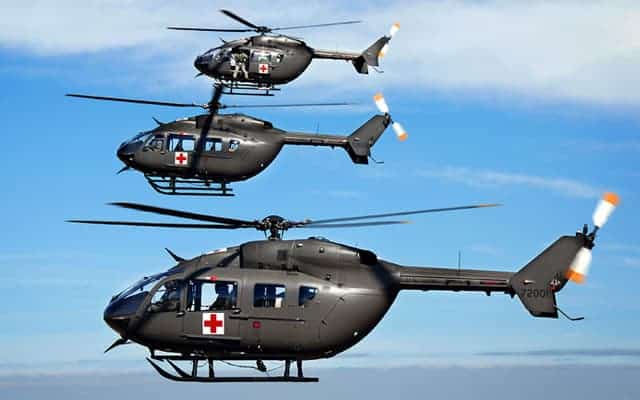
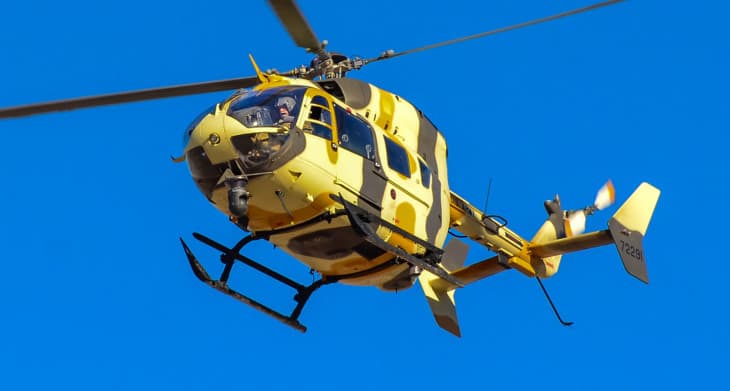
The UH-72A first flew in 2006 and entered service in 2007. It is based on the civil EC145 platform with military-specific equipment. The helicopter supports training, medical evacuation, and homeland security roles.
Two turboshaft engines producing approximately 740 shaft horsepower each power the Lakota. Cruise speed approaches 135 knots (250 km/h). Maximum takeoff weight exceeds 7,900 pounds (3,583 kg).
The UH-72A has become a core component of U.S. Army aviation training. Its use in non-combat roles supports cost-effective fleet management. Production has continued for several years.
Sources and references used for research and fact-checking.