VLJ (Very Light Jets)
Epic Victory
ICAO: EVIC
The Adamjet that never made it
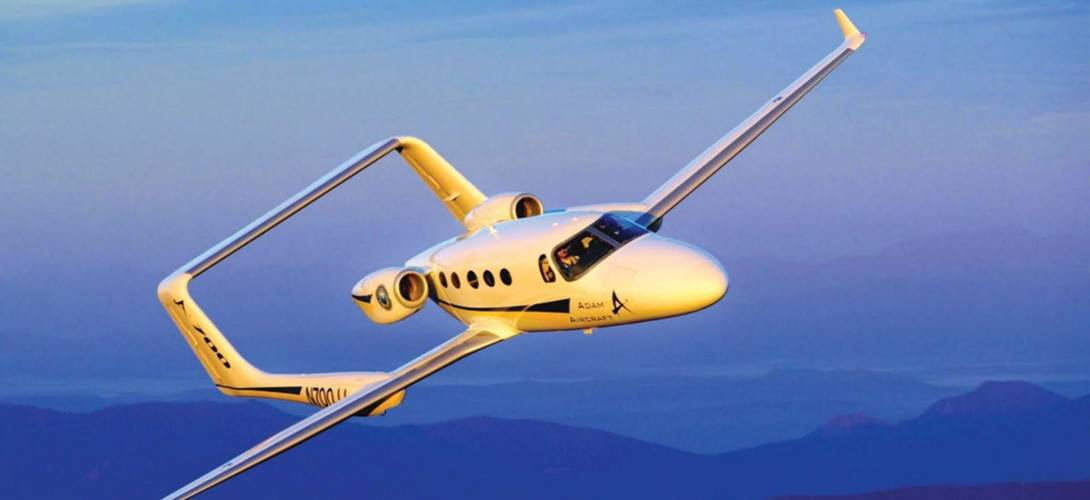
The Adam A-700 AdamJet was proposed by Adam Aircraft Industries in 2003 as a six-seat civil utility aircraft. It was designed similarly with the Adam 500 but fitted with more powerful twin Williams FJ33 turbofan engines. On July 28, 2003, the A700 prototype took to the air for the first time. Aircraft development ended in April 2009 with a total number of two A700 prototypes built.
Live Fleet Activity (A700)
Fetching live data…
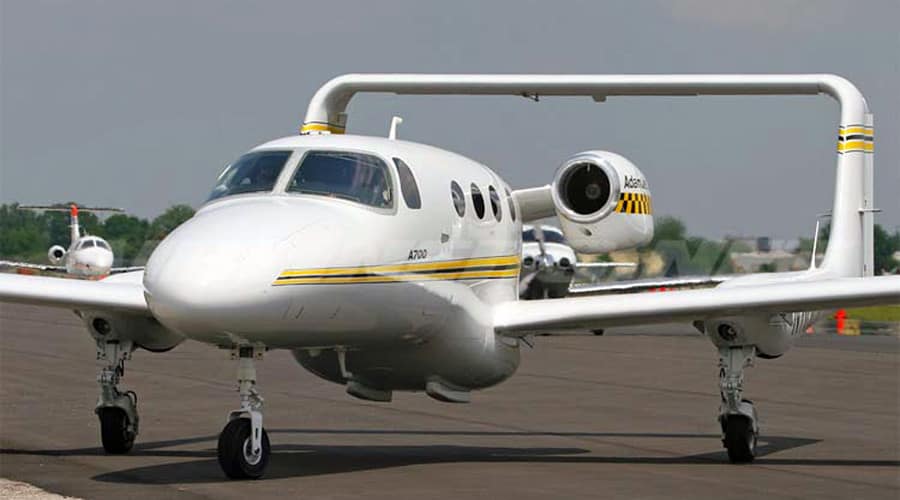


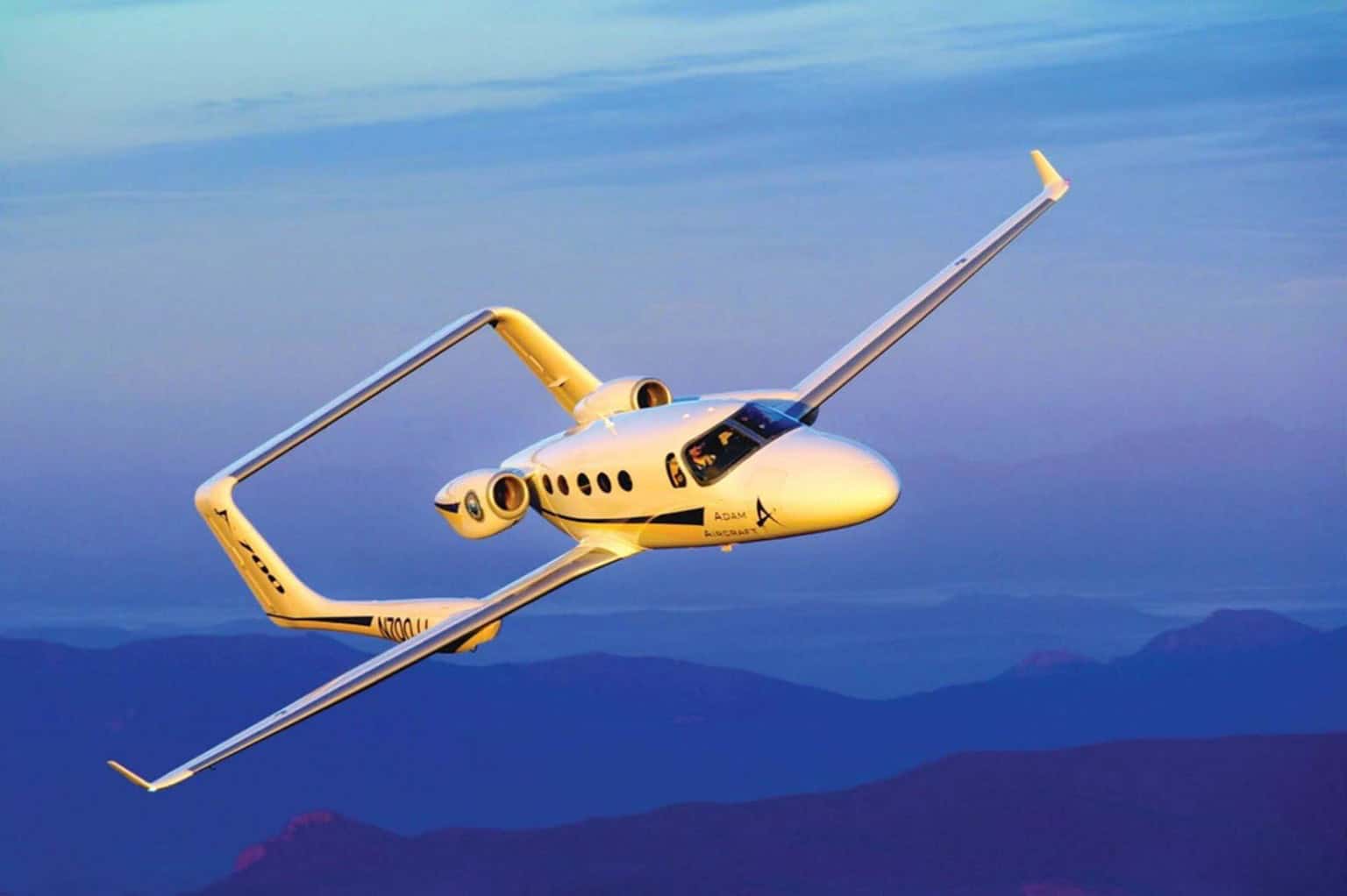
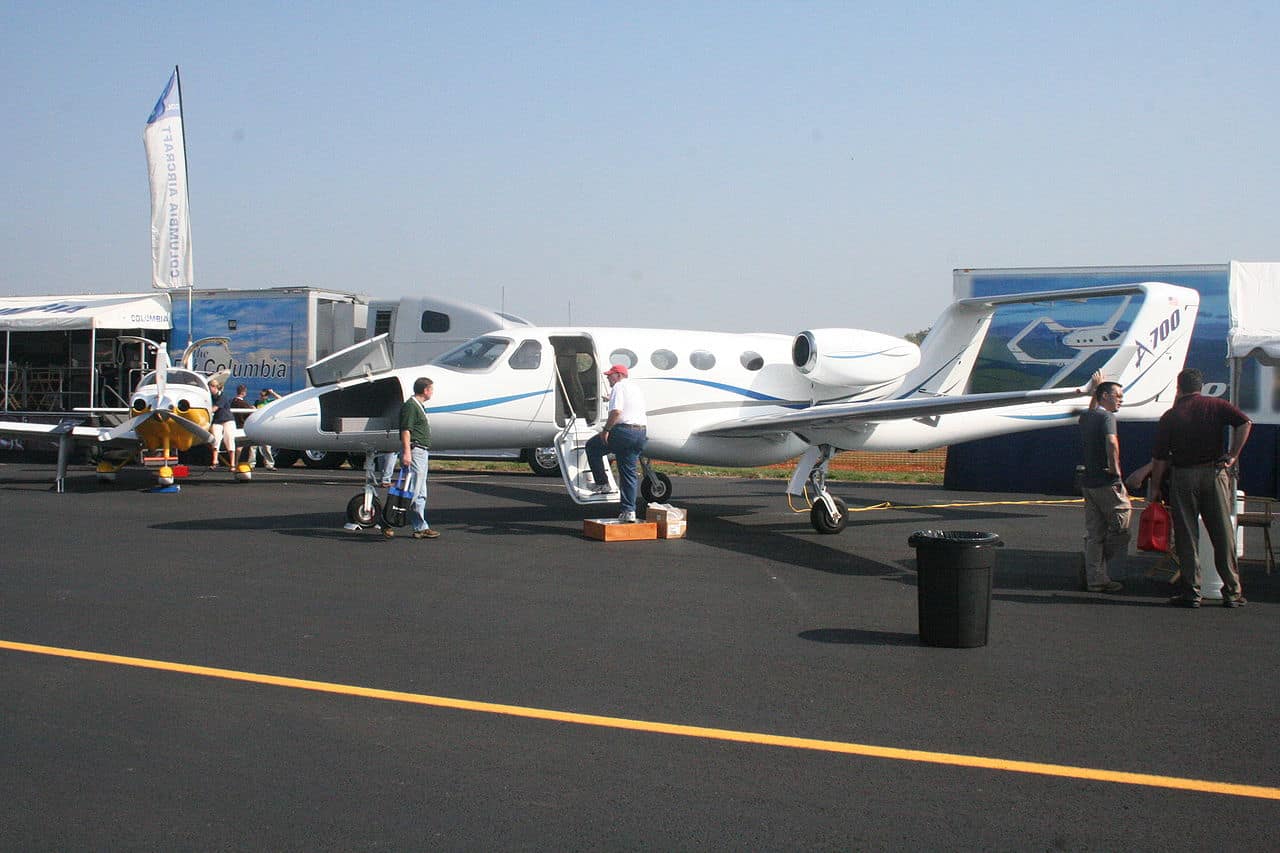
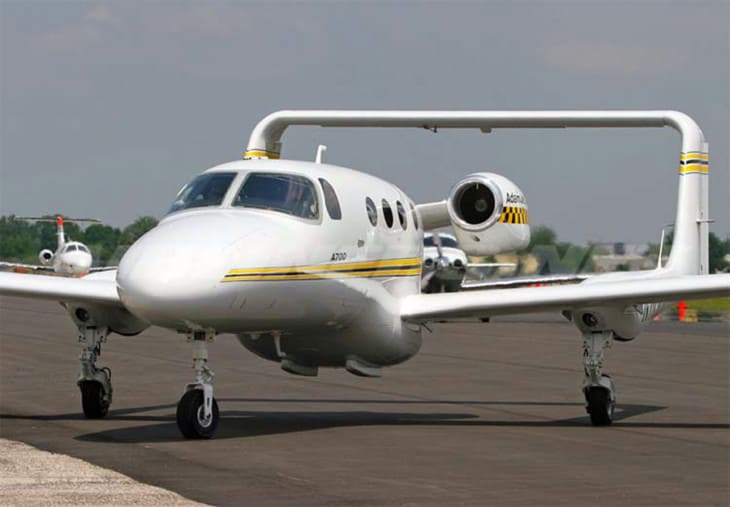
After the Adam Aircraft filed for bankruptcy and was acquired by The Industrial Investments, the Russian company reinitialized the development of the A700. The company originally planned to have the aircraft certified in the first quarter of 2010, however, it was to be postponed.
The Federal Aviation Administration agreed on the preceding certification data recorded by the Adam Aircraft that would very much simplify the certification attempts of the AAI. But in April 2009, the former company Adam Aircraft stopped operations together with the cease of A700 development.
The proposed A700 is operated by one or two pilots and can carry four to six passengers depending on the cabin configuration. It features a central fuselage and two longitudinal booms that hold the rudders connected by a horizontal stabilizer. The exterior length is 12.42 meters, the exterior height is 2.4 meters, the tail height is 2.92 meters, and the fuselage diameter is 1.45 meters. The aircraft is also equipped with an Avidyne Entegra glass cockpit. The straight tapered wings have a wingspan of 13.41 meters. The wheelbase is 4.7 meters. The aircraft has an empty weight of 2,517 kg, and a maximum payload of 1,430 kg. The maximum takeoff and landing weights are 4,241 kg and 4,081 kg, respectively. The fuel tank capacity is 394 US gallons.
The A700 is fitted with two Williams FJ33-4A turbofan engines. Engine configuration is composed of a single-stage fan, with a booster stage, driven by a two-stage low-pressure turbine, supercharging a centrifugal high-pressure compressor, driven by a single-stage high-pressure turbine. It also features an annular combustor. Each engine produces a maximum takeoff thrust of 1,350 lbf.
The aircraft has a maximum speed of 332 knots and a stall speed of 63 knots. The range is 1,400 nautical miles. It can fly up to 41,000 feet and can climb at a rate of 2,550 feet per minute.