

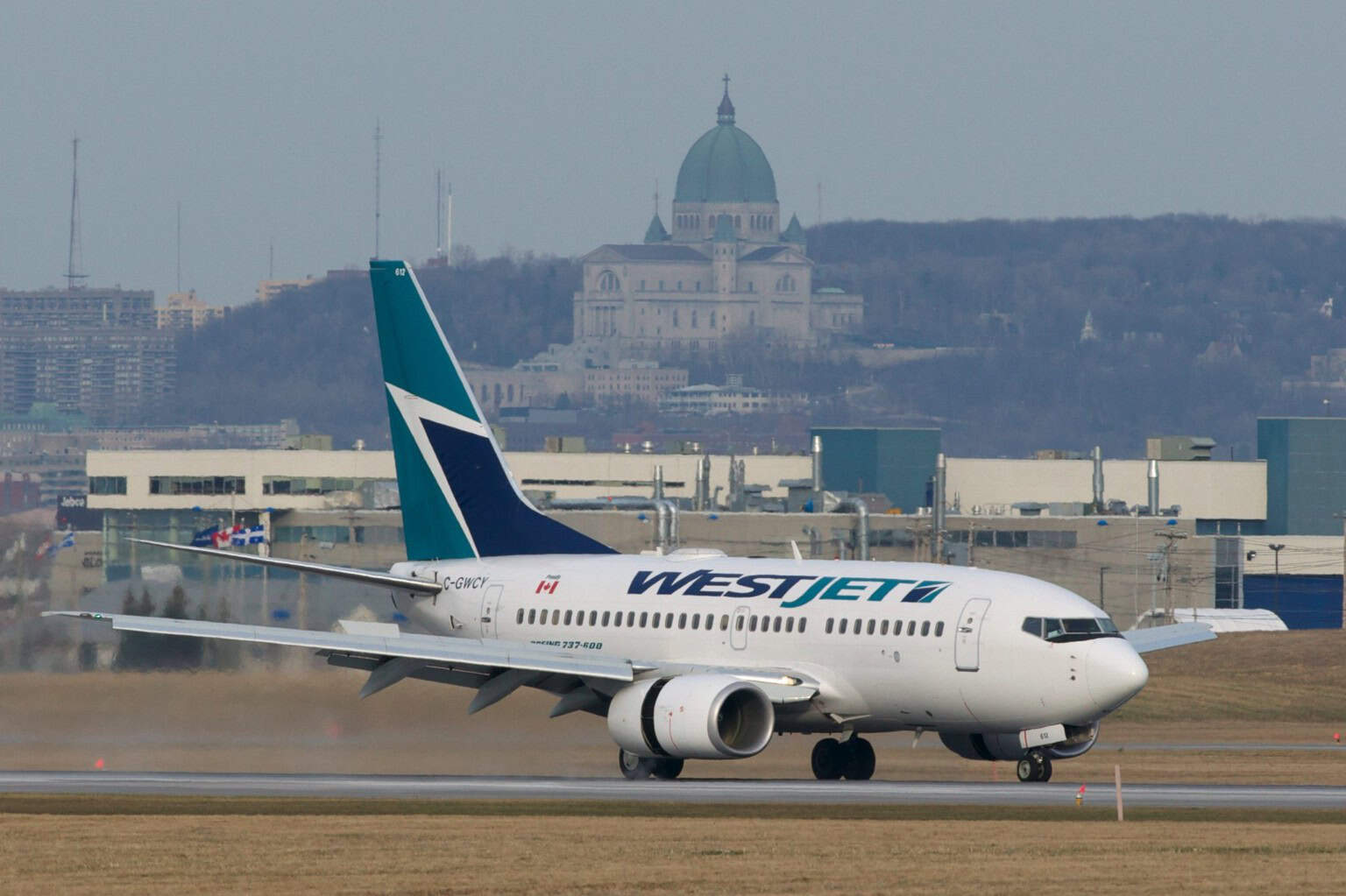
WestJet’s 4,400 flight attendants walked off the job at 12:01 a.m. Mountain time on August 2, 2026, after last-ditch talks with the airline failed to produce a deal before their strike deadline. The union, CUPE Local 8125, had issued a 72-hour strike notice on July 30; WestJet answered with a matching lockout notice the same day.
The airline began winding down its network days in advance, cancelling at least 86 flights by Saturday and parking much of its roughly 150-aircraft Boeing 737 fleet. WestJet normally operates about 600 flights a day, so a prolonged walkout would ground a large share of Canadian domestic and transborder capacity during the country’s civic holiday long weekend.
What the two sides are still fighting over
The dispute centers on WestJet’s credit-hour pay model, under which flight attendants are paid mainly for time in the air rather than the full working day. CUPE says that leaves members with roughly 35 unpaid hours a month covering boarding, ground delays, and post-arrival duties, and argues some crew effectively earn below minimum wage once those hours are counted.
“We tried until the very last minute to get a fair deal that recognizes the value of the work cabin crews do,” CUPE Local 8125 president Alia Hussain said in a statement early Sunday. “WestJet’s offer did not go far enough. We are on strike because we believe we deserve better. We are ready to go back to the table to settle.”
WestJet CEO Alexis von Hoensbroech said the lockout notice was “not one that was made lightly,” and the airline maintains the two sides had already agreed on 34 of 52 contract articles before talks broke down.
July 15, 2026
Strike mandate. CUPE members vote 99.4% in favor of strike action on a 97.3% turnout.
July 30, 2026
Dueling notices. The union files a 72-hour strike notice; WestJet responds with a matching lockout notice the same day.
August 1, 2026
Network wind-down. WestJet cancels dozens of flights and begins parking aircraft ahead of the deadline.
August 2, 2026
Strike begins. The 72-hour notice period expires at 12:01 a.m. MT with no agreement reached.
Why Ottawa hasn’t ordered them back to work
Under Section 107 of the Canada Labour Code, the federal jobs minister can direct the Canada Industrial Relations Board to impose binding arbitration and order a strike or lockout to end. Minister Patty Hajdu has not done that here. In a statement, she called the strike a “disappointing development” and urged both sides back to the table, but stopped short of intervening.
That restraint stands out because Ottawa used exactly this power almost a year to the day earlier, when it invoked Section 107 within hours of Air Canada’s flight attendants walking out in August 2025. As CTV News reported, Air Canada’s cabin crew simply defied that back-to-work order and stayed out until a negotiated deal was reached anyway, a precedent that has since fueled a push in Parliament to repeal Section 107 entirely.
Mediators have been involved for months
Federal mediators were assigned to the WestJet talks in May, with a special mediator added in July. Hajdu’s office says it still expects the parties to reach an agreement at the bargaining table rather than through government order.
Reality check
Even if Ottawa did invoke Section 107 here, last year’s Air Canada strike shows a back-to-work order does not automatically end a walkout. Crews can keep striking regardless, leaving a negotiated settlement as the only reliable fix.
For now, the airline and union say bargaining continues even as the strike proceeds. Passengers booked on WestJet between July 30 and August 4 can rebook or cancel once for free, though Bloomberg reported that WestJet Encore regional flights and code-share flights operated by partners such as Delta are not affected by the job action.
This is the second Canadian aviation labor story of the weekend: a similar dispute at Jazz Aviation was resolved with a tentative agreement just before its own deadline.
Sources and references used for research and fact-checking.
Get the Newsletter
The latest aviation news and stories sent to your inbox.
About the Author

Tim is the owner and lead editor of AeroCorner since 2019, overseeing aviation content covering aircraft, airlines, airports, and the broader aviation industry. Through years of researching, writing, editing, and publishing aviation-focused content, he has developed extensive practical knowledge of commercial aviation and air travel. Based in Asia and a frequent traveler himself, Tim also brings firsthand passenger experience to AeroCorner’s coverage. Outside of publishing, he has also explored aviation firsthand through hands-on flight training in New Zealand.