

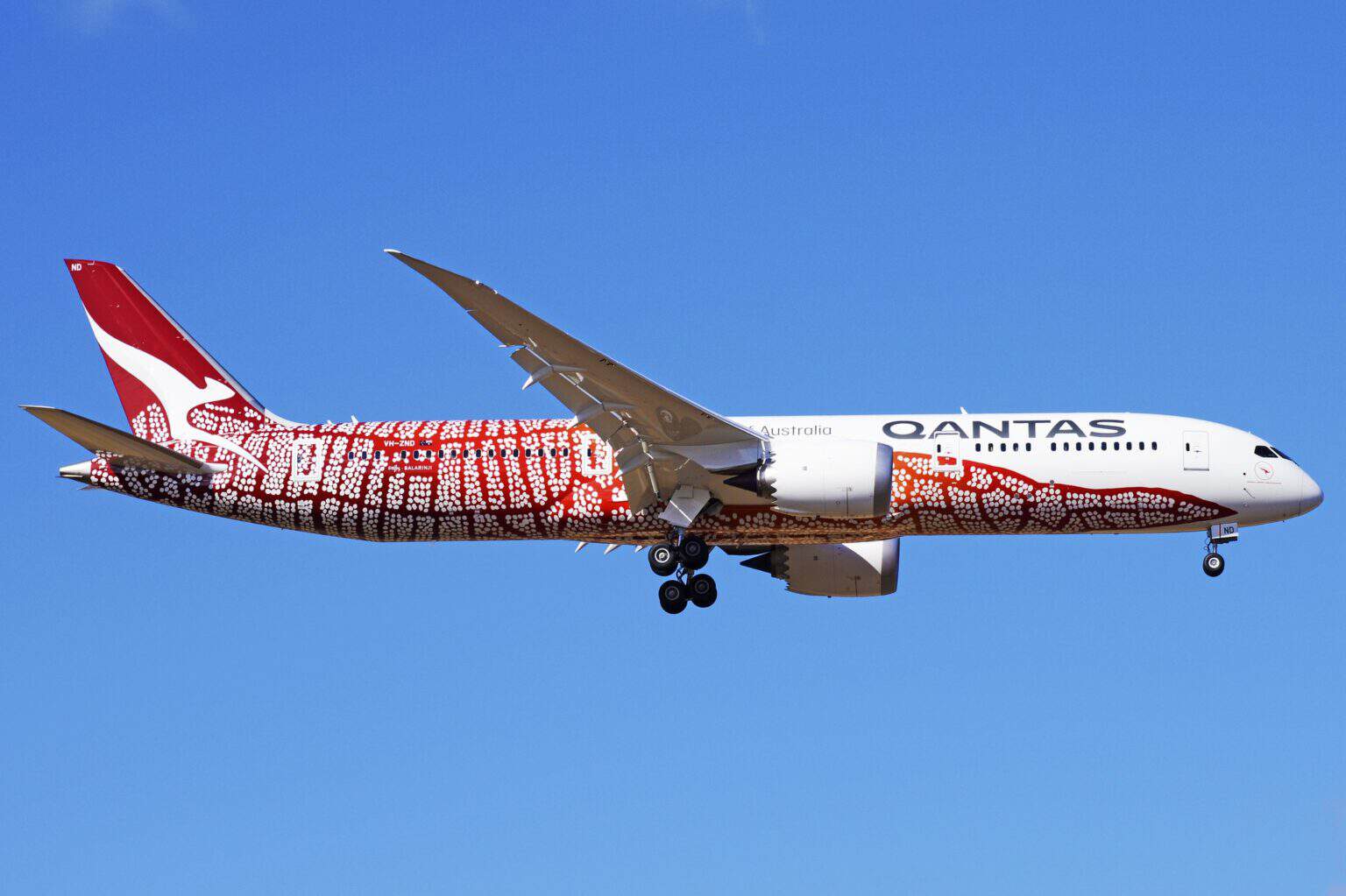
The Qantas Boeing 787-9 that flew QF94 from Los Angeles to Melbourne on October 30, 2026, registration VH-ZND, has not flown since lightning struck it on that flight. Two weeks later, Qantas has given no date for its return to service.
The airline confirmed the in-flight strike to The Sydney Morning Herald, which on November 14 published photos of the jet showing charred patches of skin with the protective mesh underneath exposed.
“Commercial aircraft are designed to withstand lightning strikes, and the aircraft continued its journey to Melbourne without incident,” a Qantas spokesperson told the paper. The airline said its engineers in Melbourne are inspecting and repairing the aircraft, and that it will return to service once that work is complete.
What the photos show
Sonya Brown, a professor of mechanical and manufacturing engineering at UNSW, reviewed the images for the Herald and called it “a significant repair.” Minor strike damage can measure less than a centimeter (under half an inch), she said, while this damage appears to run to tens of centimeters.
A second aircraft safety expert, not named by the paper, said the bronze lightning protection mesh on the fuselage belly skin “has certainly taken quite a decent hit.”
FlightAware’s records show the QF94 that left Los Angeles on October 30 landing in Melbourne on the morning of October 31, local time. A Perth to Singapore flight assigned to VH-ZND later that day is marked cancelled, and the tracker shows no flights by the jet since.
QF94 is the return leg of the Melbourne Airport to Los Angeles route, which Qantas switched from the A380 to a daily 787-9 service on October 25. FlightAware also lists the October 31 QF93 from Melbourne and a November 1 QF94 as cancelled; Qantas has not said whether those were linked to the strike.
How a composite 787 handles lightning
Lightning strikes on airliners are routine. The US National Weather Service says commercial passenger planes are struck by lightning an average of once or twice a year, and that the aircraft often trigger the strike themselves by enhancing the electric field around a thunderstorm.
Airliners are built with conducting paths that carry the current through the airframe. On an aluminum jet the skin does much of that work naturally.
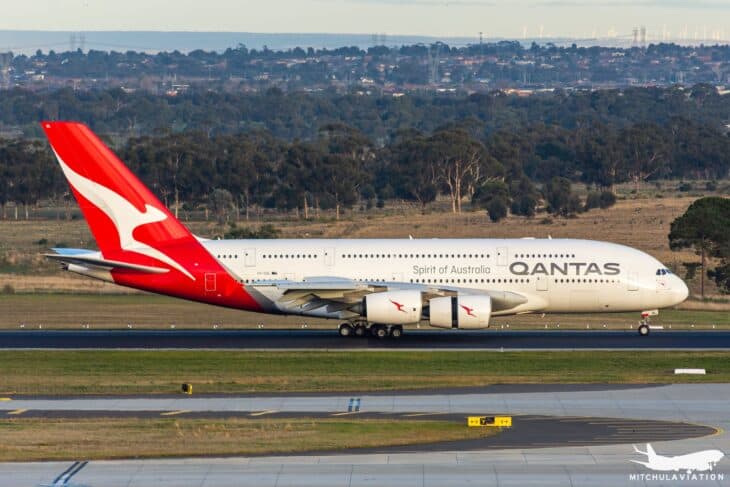
The Boeing 787-9 is different. Its body is more than 50% carbon fiber composite, which does not conduct well on its own, so a layer of expanded metal foil is built into the composite layup to carry away the current and heat of a strike, according to work by Boeing Research & Technology published by COMSOL.
That foil sits under primer, surfacer and paint that protect it from moisture and corrosion. On VH-ZND, the Herald’s photos show the mesh laid bare with charred skin around it; Qantas has not described the scope of the repair.
Even a clean strike costs time. The Weather Service notes that a suspected strike brings a mandatory inspection for damage, “which can delay flights and be quite expensive.”
Why repairs take weeks
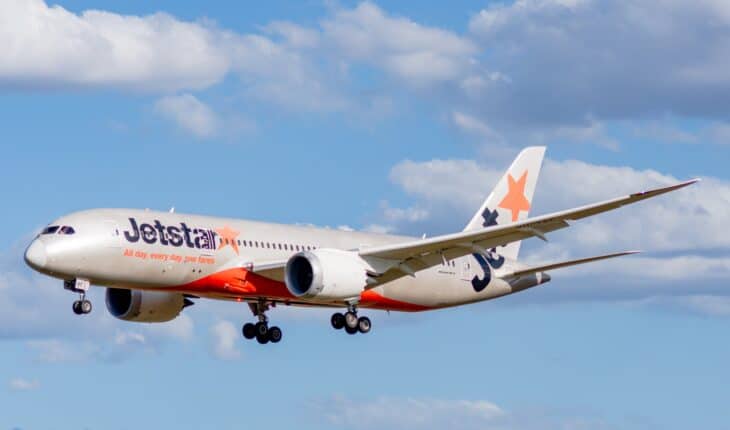
Australian operators have been here before. A Jetstar 787-8 struck by lightning on a Melbourne to Gold Coast flight on May 7, 2022, was left parked at the Gold Coast, and a Jetstar spokesperson said repairs could take six to eight weeks, Travel Radar reported at the time.

In some cases an Australian airline has two options, according to the Herald: repair the aircraft itself, or make a temporary repair and ferry the jet to the US. Without a temporary fix, the paper said, the jet would have to cross the Pacific unpressurized, on a long flight at low altitude.
Qantas says the work is being done in Melbourne. Until it is finished, the airline is a 787-9 short on its long-haul network, which the Herald described as another constraint on Qantas’s long-haul capacity.
Sources and references used for research and fact-checking.
Get the Newsletter
The latest aviation news and stories sent to your inbox.
About the Author

AeroCorner News is the aviation news desk of AeroCorner.com. It covers accidents and incidents, safety rulings, airline and airport disruption, and new aircraft. It works from primary sources such as the NTSB, FAA, EASA and the manufacturers' own announcements.