

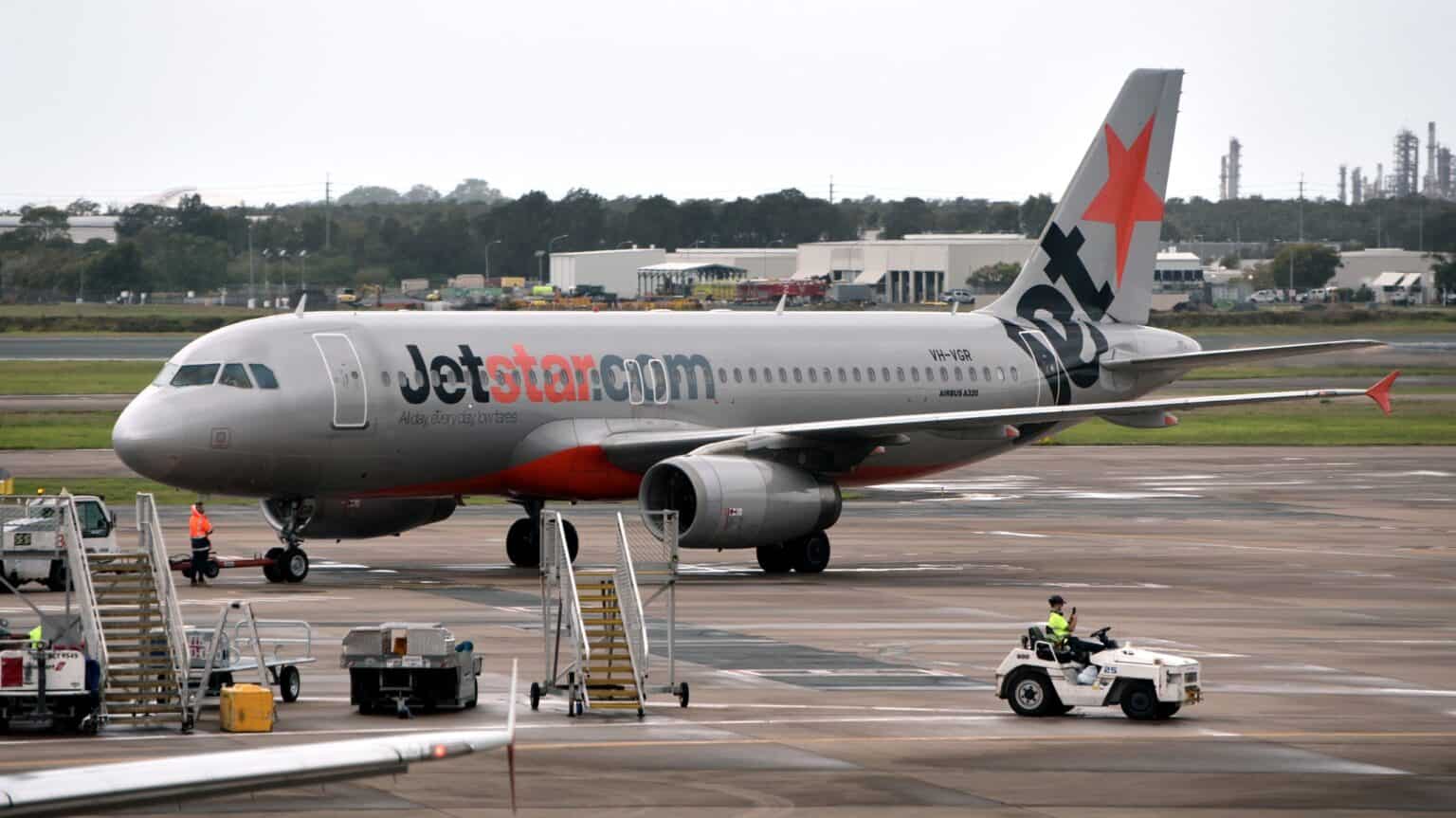
On October 2, 2026, Jetstar ground staff at seven airports across Australia escalated a months-long pay dispute, staging one-hour walkouts and again refusing to charge passengers certain fees. The action, organized by the Australian Services Union (ASU), lands on the NRL Grand Final weekend and the start of school holidays.
What Changes for Passengers
ASU members work Jetstar’s airport operations at Cairns, the Gold Coast, Brisbane, Sydney, Melbourne’s Tullamarine and Avalon airports, and Adelaide. According to Australian Aviation, staff at those airports are holding one-hour work stoppages and pausing a range of non-essential duties, including routine passenger announcements and disruption and cancellation management tasks.
Workers are also zeroing out sales-related fees again, including charges for excess baggage, seat changes and late fees, a tactic the union first used for 24 hours in late September.
Jetstar said it does not expect the action to disrupt flights. “We have strong contingency plans in place and don’t expect there will be any impact to customers’ flights as a result of industrial action,” a Jetstar spokesperson told Australian Aviation.
Why Jetstar Workers Walked Out
The dispute centers on Jetstar’s pay offer: a 2.1% increase at commencement, a further 3% increase in April, back pay to April 2026, and a new staff classification structure. ASU assistant national secretary Scott Cowen called that “not what a fair share looks like,” pointing to Jetstar’s own results.
“Jetstar’s domestic earnings are up 15 per cent this year on record passenger numbers, and Qantas Group is turning a profit,” Cowen told Australian Aviation, a reference to the group’s 2025-26 full-year profit. “A 2.1 per cent pay rise for the people who made that possible is not what a fair share looks like.”
Cowen also pointed to conditions, not just pay. “Our members don’t want to take action, but they’re left with no other choice,” he said.
“They’re taking action because during a cost-of-living crisis, during extreme weather conditions, the airline has failed to support workers with extra weather protections or a pay offer that responds to this crisis properly,” he said.
Jetstar disputed that characterization. “It is very disappointing the ASU has chosen to pursue further industrial action despite Jetstar putting forward a comprehensive and fair offer, including meaningful pay increases, improved penalties and allowances, and greater rostering flexibility,” the airline’s spokesperson said.
The offer, Jetstar said, “delivers strong outcomes for our people while ensuring we can continue to invest in our fleet, grow our network and keep fares low, at a time when fuel costs continue to put pressure on the aviation industry.”
August 2026
ASU members approve industrial action. A ballot clears the way for Jetstar airport staff to take protected action if bargaining stalls.
September 23-24, 2026
First fee waiver. Members zero out baggage, seat change and late fees for 24 hours ahead of the AFL Grand Final, as reported by The Canberra Times.
October 2, 2026
Action escalates. One-hour walkouts begin alongside a renewed fee waiver, timed to the NRL Grand Final weekend and school holidays.
A Pressure Tactic Short of a Full Strike
Under Australia’s Fair Work Act, a union whose members vote to approve industrial action can choose from a range of “protected” measures short of an all-out walkout. The ASU’s picks here, one-hour stoppages and fee waivers rather than a flight-cancelling strike, pressure Jetstar financially while limiting disruption to travelers.
That approach mirrors a separate dispute weeks earlier, when Sydney Airport security screeners struck on the first day of New South Wales school holidays in September.
Which airports are affected
Cairns, Gold Coast, Brisbane, Sydney, Melbourne Tullamarine, Avalon and Adelaide, the airports where the ASU says Jetstar employs ground staff directly.
Cowen said the union sees room for Jetstar to move. “Jetstar has the money and the record year to make this right,” he said. “Every day it chooses not to is a day our members decide how much further they are prepared to take this.”
Get the Newsletter
The latest aviation news and stories sent to your inbox.
About the Author

Tim is the owner and lead editor of AeroCorner since 2019, overseeing aviation content covering aircraft, airlines, airports, and the broader aviation industry. Through years of researching, writing, editing, and publishing aviation-focused content, he has developed extensive practical knowledge of commercial aviation and air travel. Based in Asia and a frequent traveler himself, Tim also brings firsthand passenger experience to AeroCorner’s coverage. Outside of publishing, he has also explored aviation firsthand through hands-on flight training in New Zealand.