Military Propellor Planes
Japan’s pioneering builder of wartime fighters and utility aircraft
AeroCorner features profiles for 1 Nakajima aircraft. This includes 1 Military Propellor Plane. Each profile includes performance data, photo galleries, dimensions, and operational history.
The Nakajima Aircraft Company was one of Japan’s most important aviation manufacturers before and during World War II. Known for designing fighters, bombers, reconnaissance aircraft, and engines, Nakajima became a central supplier to the Imperial Japanese Army and Navy. The company produced several influential wartime aircraft and developed large-scale industrial capabilities that shaped Japan’s aviation industry throughout the early 20th century.
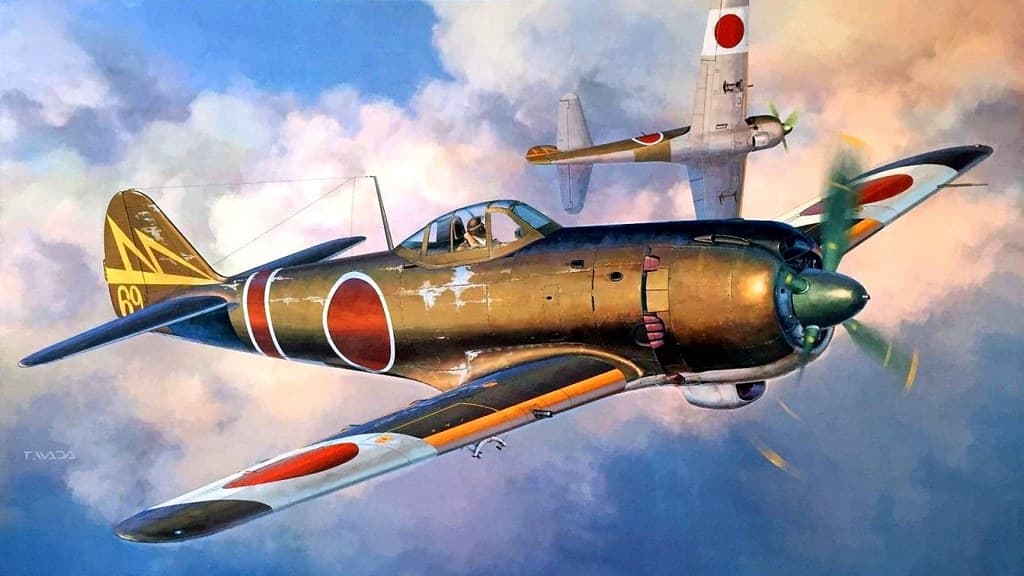
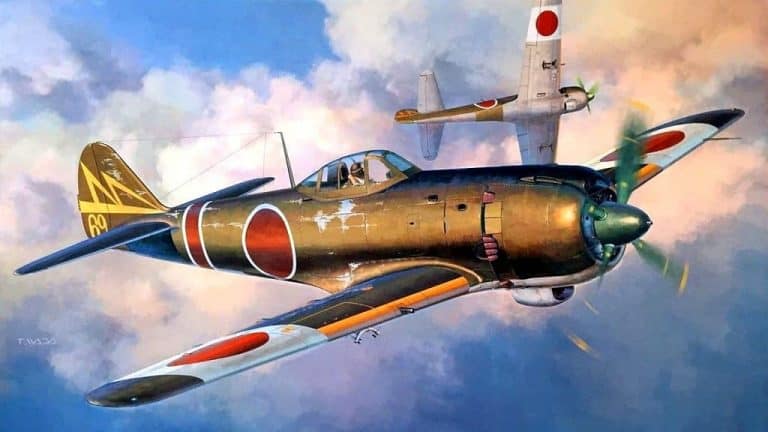
Nakajima was founded in 1917 by Chikuhei Nakajima, a former naval engineer who aimed to establish Japan’s first domestic aircraft production capability. During the 1920s and 1930s, the company expanded rapidly, producing licensed designs and developing its own fighters, bombers, and trainers. By World War II, Nakajima had become Japan’s largest aircraft manufacturer, supplying aircraft such as the Ki-43 Hayabusa, Ki-84 Hayate, and B5N “Kate” torpedo bomber.
After World War II, the company was dissolved by Allied occupation authorities due to its military role. Its assets and personnel were reorganized into several civilian firms. The most direct successor is Fuji Heavy Industries, now known as Subaru Corporation, which eventually entered the aerospace sector and continued light aircraft and aerospace component manufacturing.
Nakajima was headquartered in Ōta, Gunma Prefecture, Japan, which served as its main industrial base and the site of major wartime factories.
Nakajima operated multiple major production plants across Japan, including:
These facilities produced airframes and engines for both Army and Navy aircraft.
Nakajima was also a major manufacturer of aircraft engines, producing radial engines such as the Nakajima Sakae and Nakajima Homare, which powered many Japanese combat aircraft.
During the 1930s, Nakajima transitioned from producing licensed aircraft to designing its own advanced military models. As Japan expanded its military ambitions, the government relied heavily on Nakajima’s growing production capacity. The company became a key supplier for both the Imperial Japanese Army Air Service and the Navy, building fighters, bombers, trainers, and torpedo aircraft. This period marked Nakajima’s rise from a competitive manufacturer to one of the strategic pillars of Japan’s wartime aviation industry.
One of Nakajima’s most important achievements was the development of the Ki-84 Hayate, which entered service in 1944. The aircraft featured excellent speed, climb rate, and armament, and it was capable of matching late-war Allied fighters like the P-51 Mustang and F6F Hellcat. The Ki-84 is widely regarded by historians and pilots as the finest high-performance fighter Japan completed during the war. Its success demonstrated Nakajima’s technical proficiency even under severe wartime shortages.
By late 1944, Nakajima had grown into Japan’s largest aircraft producer, surpassing Mitsubishi and Kawasaki. The company operated multiple factories across the country, manufacturing thousands of airframes and engines each year. Despite Allied bombing campaigns and material scarcity, Nakajima maintained high production output, supplying frontline units with fighters such as the Ki-43, Ki-44, and Ki-84, as well as the Navy’s B5N torpedo bombers. This production scale reflected both the company’s industrial capacity and Japan’s urgent wartime needs.
Following Japan’s surrender in 1945, the Allied occupation authorities deemed Nakajima too closely tied to wartime military production. To prevent rearmament, the company was forcibly dissolved under post-war demilitarization policies. Its factories, research teams, and corporate assets were reorganized into several civilian companies. The most notable successor was Fuji Heavy Industries (later renamed Subaru Corporation), which went on to build light aircraft, helicopters, and automotive products. This dissolution marked the end of Nakajima as a military manufacturer but preserved its engineering legacy through its successor firms.