

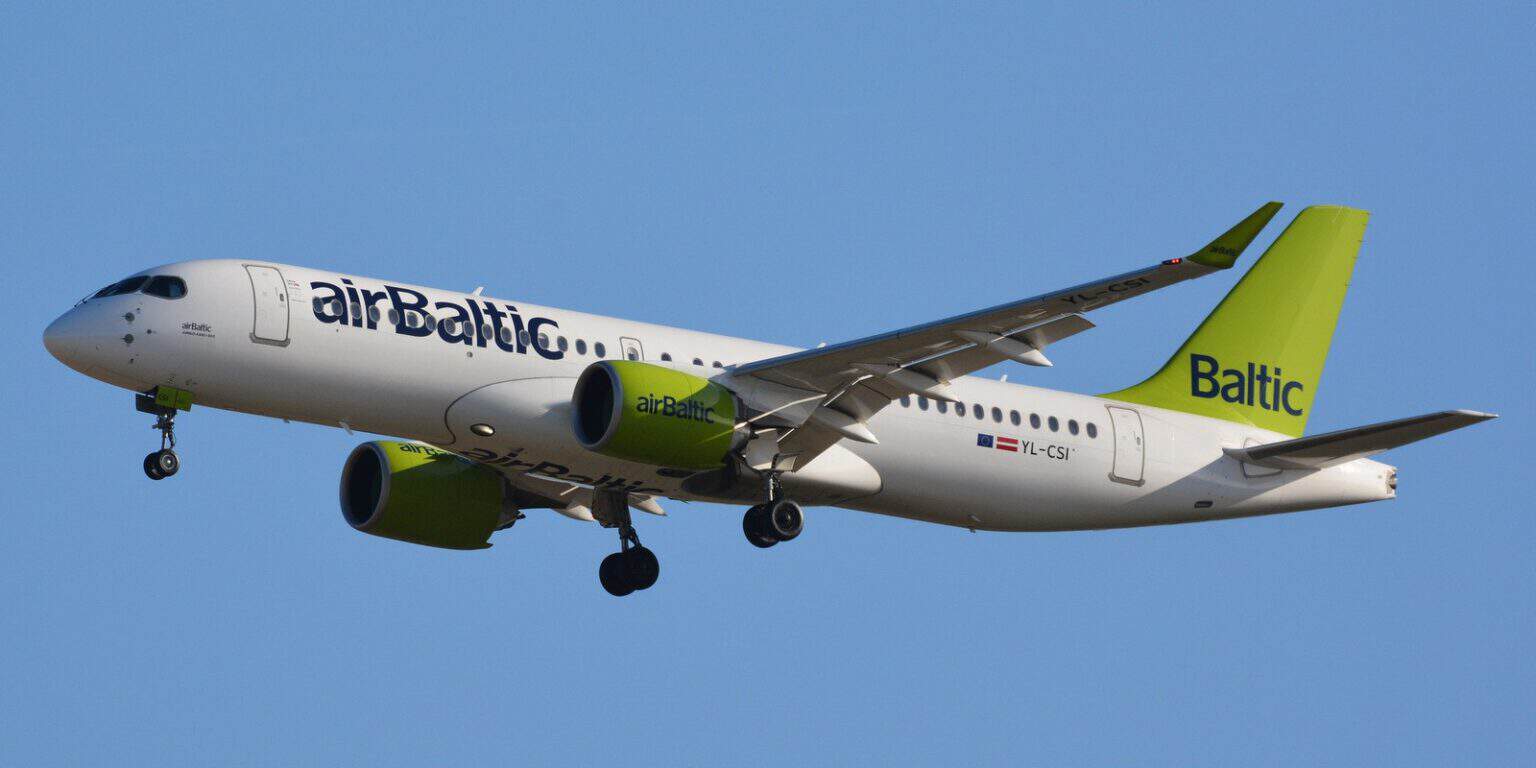
airBaltic could run out of cash in the first half of December and be forced into liquidation unless it gets the rest of its bankruptcy financing, according to Baltic News Network and ch-aviation reports on papers filed in a New York court on Monday, November 16, 2026. The hearing that could unlock that money is set for December 9.
The Latvian state-controlled airline has been in Chapter 11 since September 14, and it is still flying. The warning, filed in case 26-12188, applies only if the remaining money does not arrive.
What the Court Filing Says
The cash forecast comes from Stephan Krastev, vice chairman of Seabury Global Aviation Advisors, airBaltic’s financial adviser. The LETA news agency reported on his supplemental declaration on November 17, and ch-aviation followed on November 20.
Without more funding, airBaltic could have to stop operating and begin liquidation, those reports say. The airline submitted the warning as it asked the court to overrule objections from holders of its secured bonds due in 2029.
The court approved the structure of a debtor-in-possession (DIP) facility of up to €350 million ($385 million) on October 19. DIP financing is borrowing that keeps a company running while it restructures under court protection.
The first tranche is €175 million. The other two, of up to €125 million and €50 million, depend on a ruling that lets the new lenders rank ahead of the bondholders on assets already pledged to them.
Why Bondholders Are Fighting It
Putting a new lender ahead of an existing secured creditor is called priming. US bankruptcy law allows it only if the borrower cannot get credit otherwise and the existing creditor’s interest is adequately protected, and the borrower must prove that protection.
airBaltic says it received three financing proposals and all of them required priority. It has offered bondholders junior claims on eight A220-300s, seven spare engines and a flight simulator, along with replacement security over assets already pledged.
Krastev valued the bondholders’ collateral at about €251 million if the airline keeps flying, against €28.5 million to €56.1 million in a liquidation. If it keeps flying and the new lenders go first, he estimated about €74.1 million would be left for bondholders.
On those estimates, a second-place claim on a working airline is worth more than first place in a shutdown. Four bondholders have objected, according to ch-aviation, and the court has yet to rule.
A forecast, not a shutdown date
The figures come from airBaltic’s own adviser in a contested case. The airline says flights are continuing as normal, and the court has yet to rule on the priority dispute.
The Dates to Watch Before Christmas
airBaltic’s investor calendar lists a bondholder meeting for December 4 at 15:00 in Riga (8 a.m. ET). The airline will seek consent to the new security structure, but believes the court can approve it without that consent, TVNET reported on November 9.
The priming hearing was moved from November 17 and 18 to December 9 at 10 a.m. ET, with December 10 held in reserve. That puts the hearing inside the same two-week window in which the adviser says the cash could run out.
Most DIP lenders have also agreed to give airBaltic until December 4 to file motions dropping aircraft leases under its fleet plan. If it requests the second tranche sooner, those motions are due the day before that request.
Court Lets Six A220 Leases Go
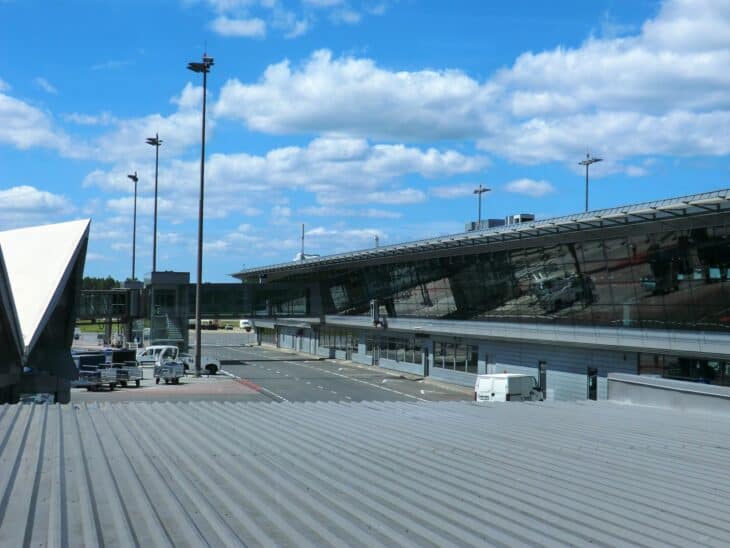
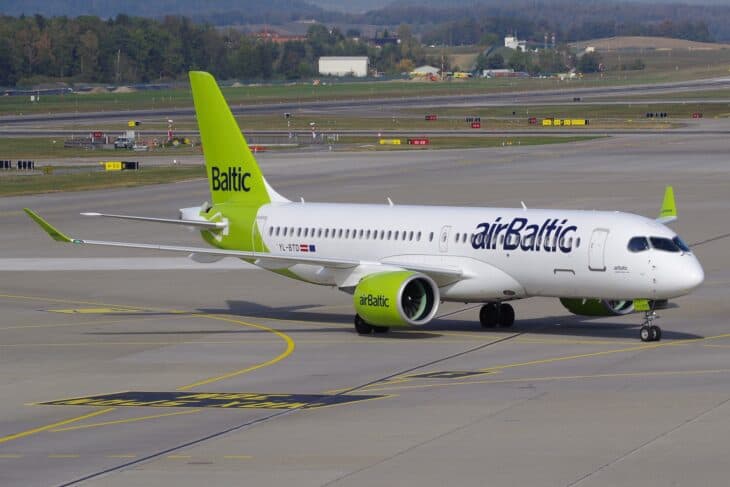
The court has meanwhile let airBaltic drop leases on six Airbus A220-300s, effective November 17, Latvian public broadcaster LSM reported on November 20. They are YL-CSI, YL-ABD, YL-ABE, YL-ABF, YL-BTC and YL-BTD, all listed in the order as located at Riga Airport.

The last two joined the fleet only in February 2026. The order does not confirm that any of the six has been physically handed back, and the lessor keeps the right to file claims over the broken leases.

A separate November 6 motion seeks to end three more leases on November 25, with a hearing on December 9. The nine jets would account for half of the 18-jet reduction in airBaltic’s plan to shrink from 54 aircraft to 36 in 2027.
What It Means if You Hold a Ticket
When it filed for Chapter 11, airBaltic said that flights would run as scheduled, tickets would remain valid and refunds would follow existing policies. LRT reported on November 17 that the airline still says flights and bookings continue as normal.
Chapter 11 is designed to let a company keep trading while it restructures, so being in Chapter 11 does not by itself ground an airline. Liquidation would be different, and Christmas departures fall after the window in the cash warning.
If an airline does go bust, travelers who booked only a flight are usually left to cover their own costs and claim through the insolvency process, according to the European Consumer Centre Germany. On a package holiday, the tour operator must organize a replacement flight.
The center says people who paid by credit card can start a chargeback. Anyone booked on airBaltic in late December should check how they paid, keep the receipts and watch the December 9 hearing.
Sources and references used for research and fact-checking.
- airBaltic, airBaltic initiates Chapter 11 financial reorganisation; flights and customer services continue as normal
- airBaltic, airBaltic Signs Wet Lease Agreement as Part of Fleet Plan
- airBaltic, Investor Relations
- Epiq Corporate Restructuring, Air Baltic Corporation AS Bankruptcy Dockets, Case 26-12188
- Legal Information Institute, Cornell Law School, 11 U.S. Code Section 364: Obtaining credit
- European Consumer Centre Germany, Airline insolvency
Get the Newsletter
The latest aviation news and stories sent to your inbox.
About the Author

AeroCorner News is the aviation news desk of AeroCorner.com. It covers accidents and incidents, safety rulings, airline and airport disruption, and new aircraft. It works from primary sources such as the NTSB, FAA, EASA and the manufacturers' own announcements.