Military Trainers
Alenia Aermacchi M-346
ICAO: Y130
$18 million Japanese subsonic intermediate jet trainer aircraft by Kawasaki Heavy Industries.
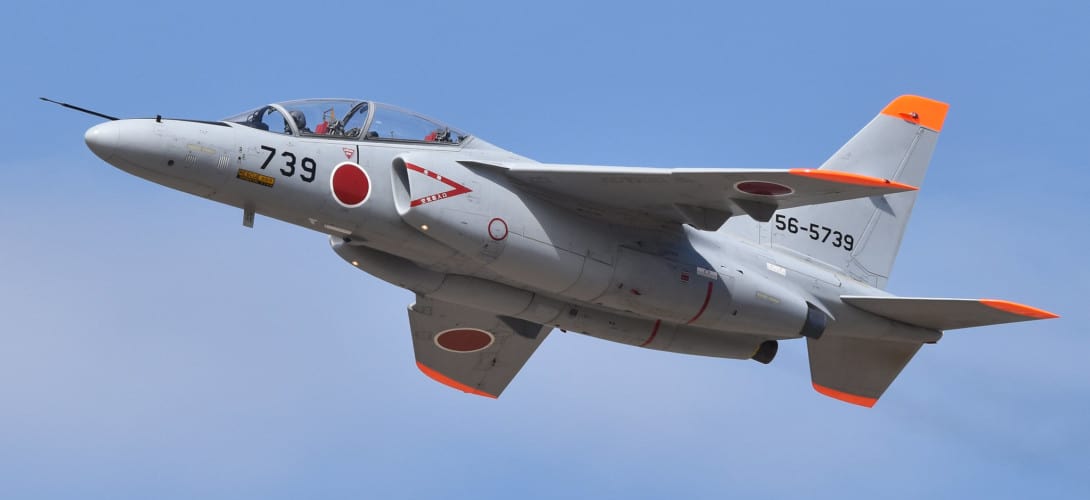
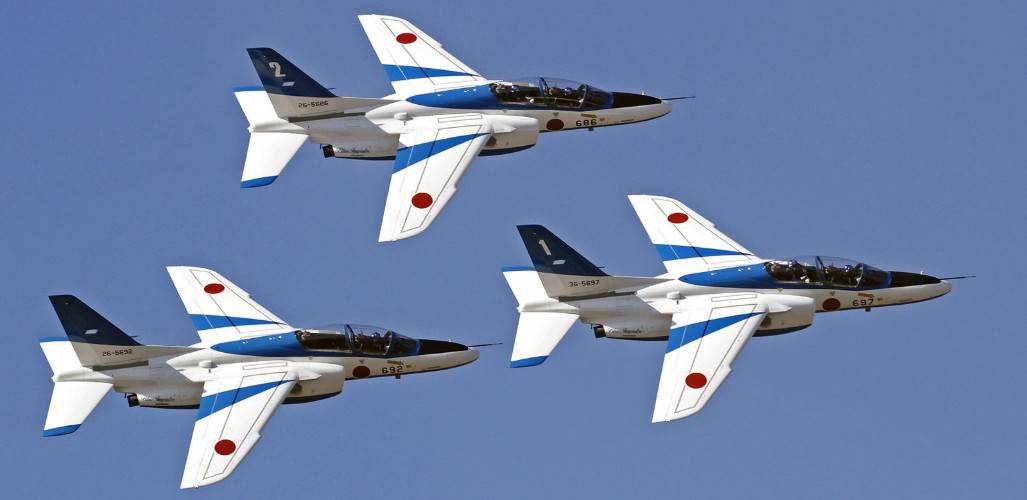
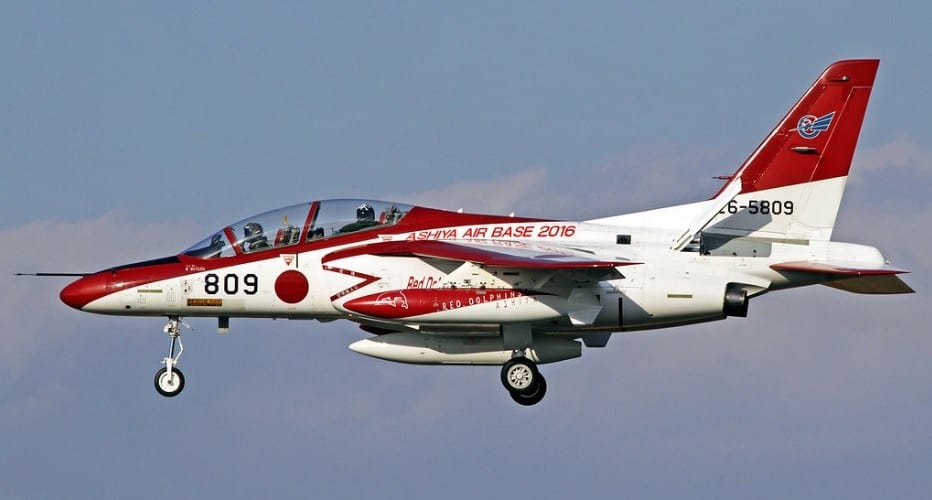
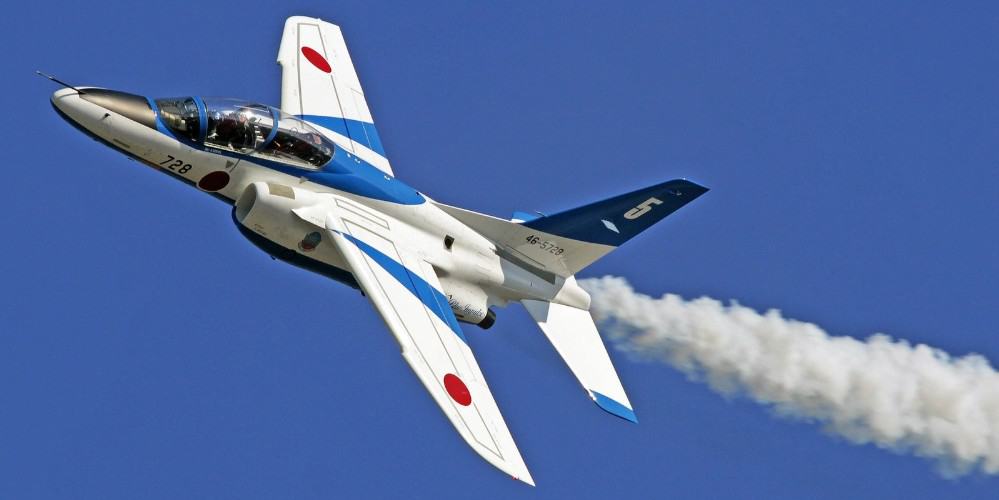
The Kawasaki T-4 is a twin-turbofan-powered, tandem-seat intermediate/advanced military training aircraft operated solely by the Japan Air Self Defense Force. Aside from its primary training missions, the aircraft has been utilized by the Japan Air Self Defense Force’s Blue Impulse aerobatic demonstration team in addition to its liaison tasks with most fighter units.
Live Fleet Activity (T4)
Fetching live data…
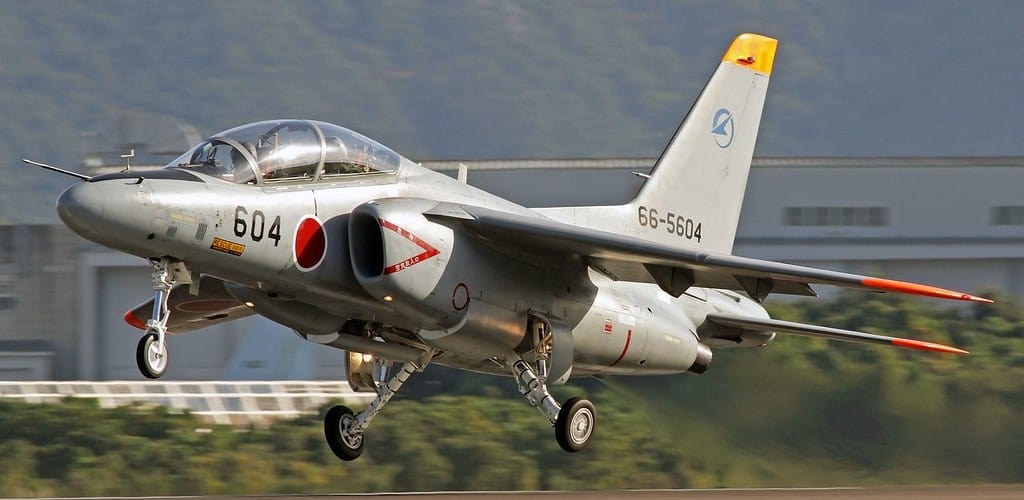
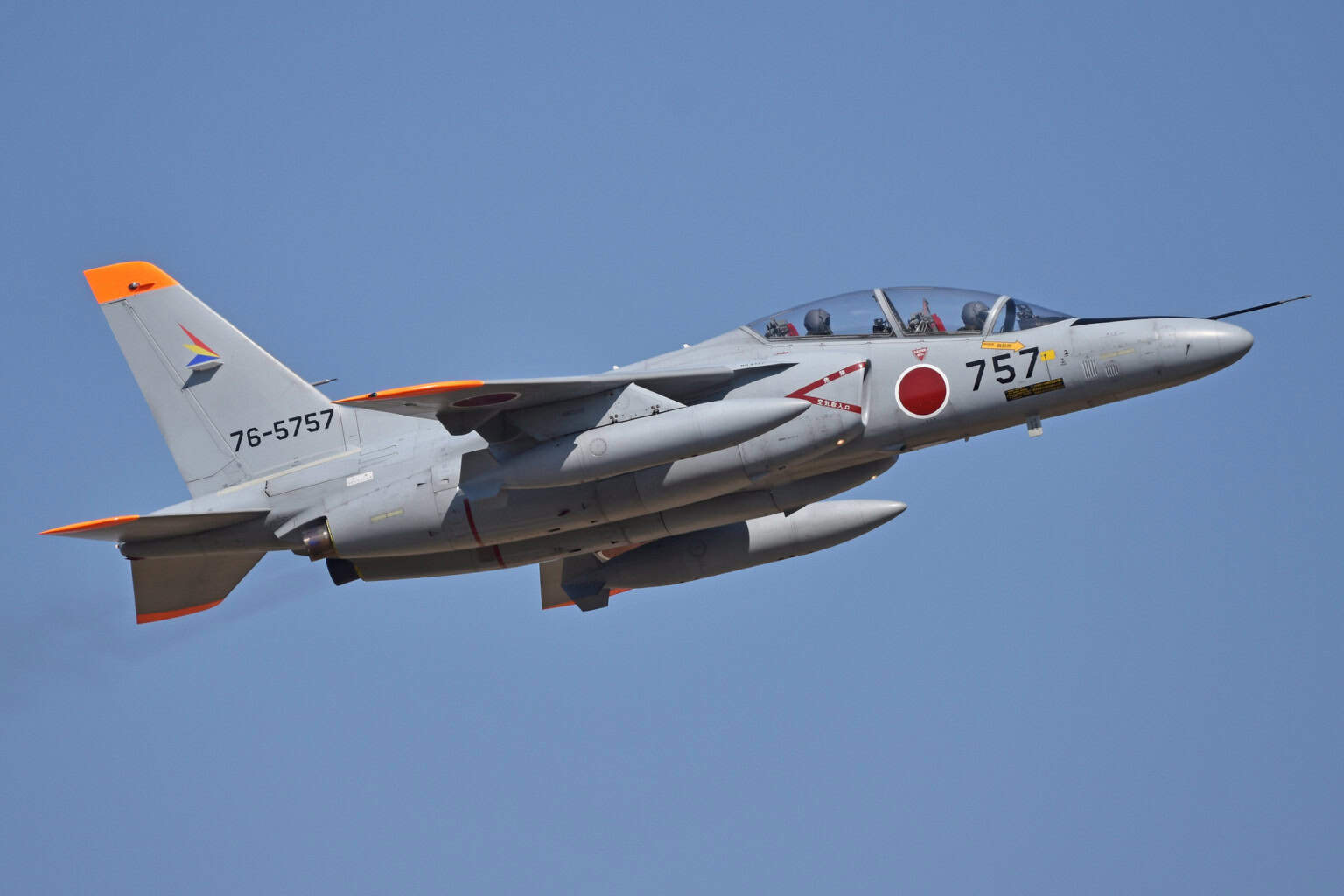

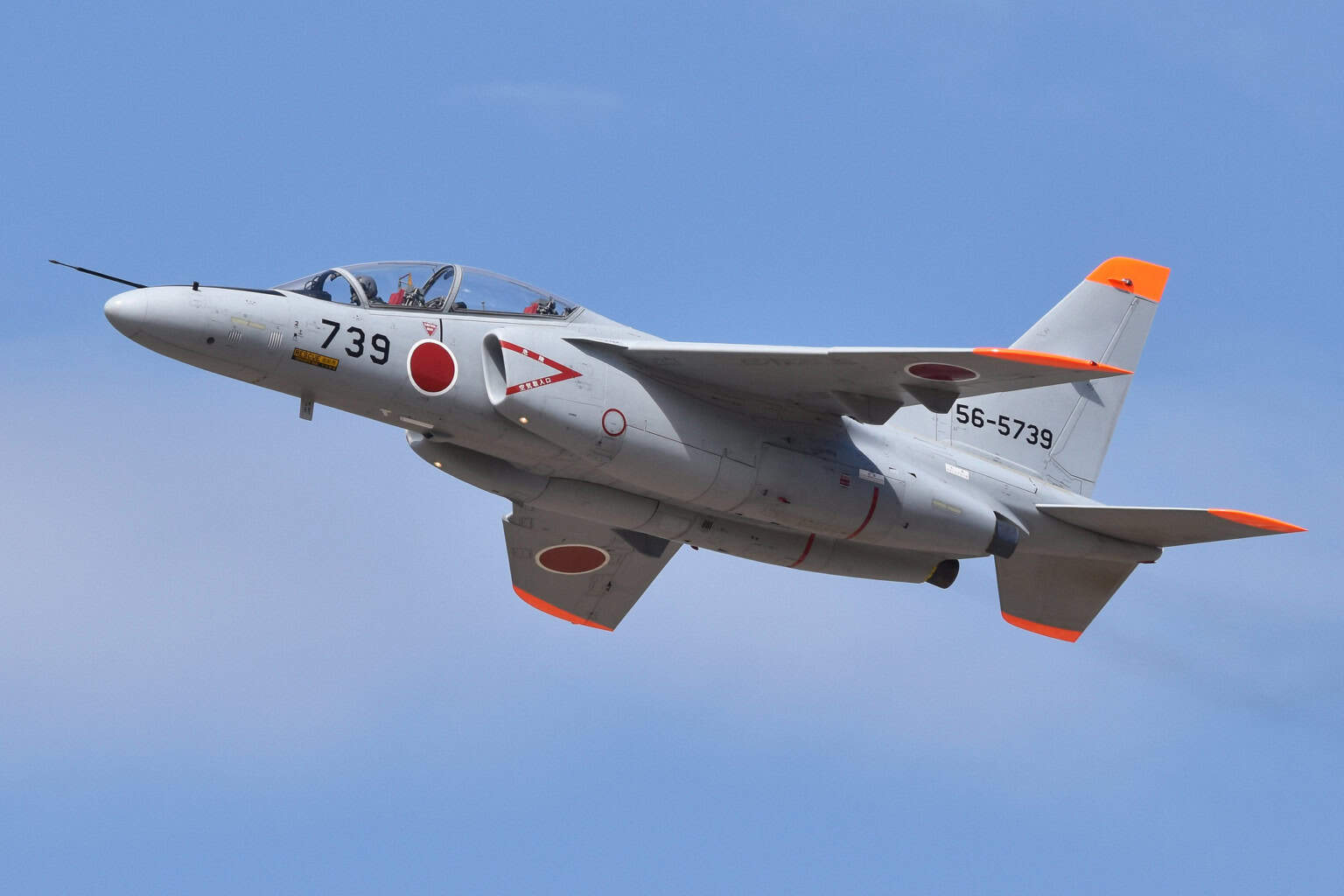
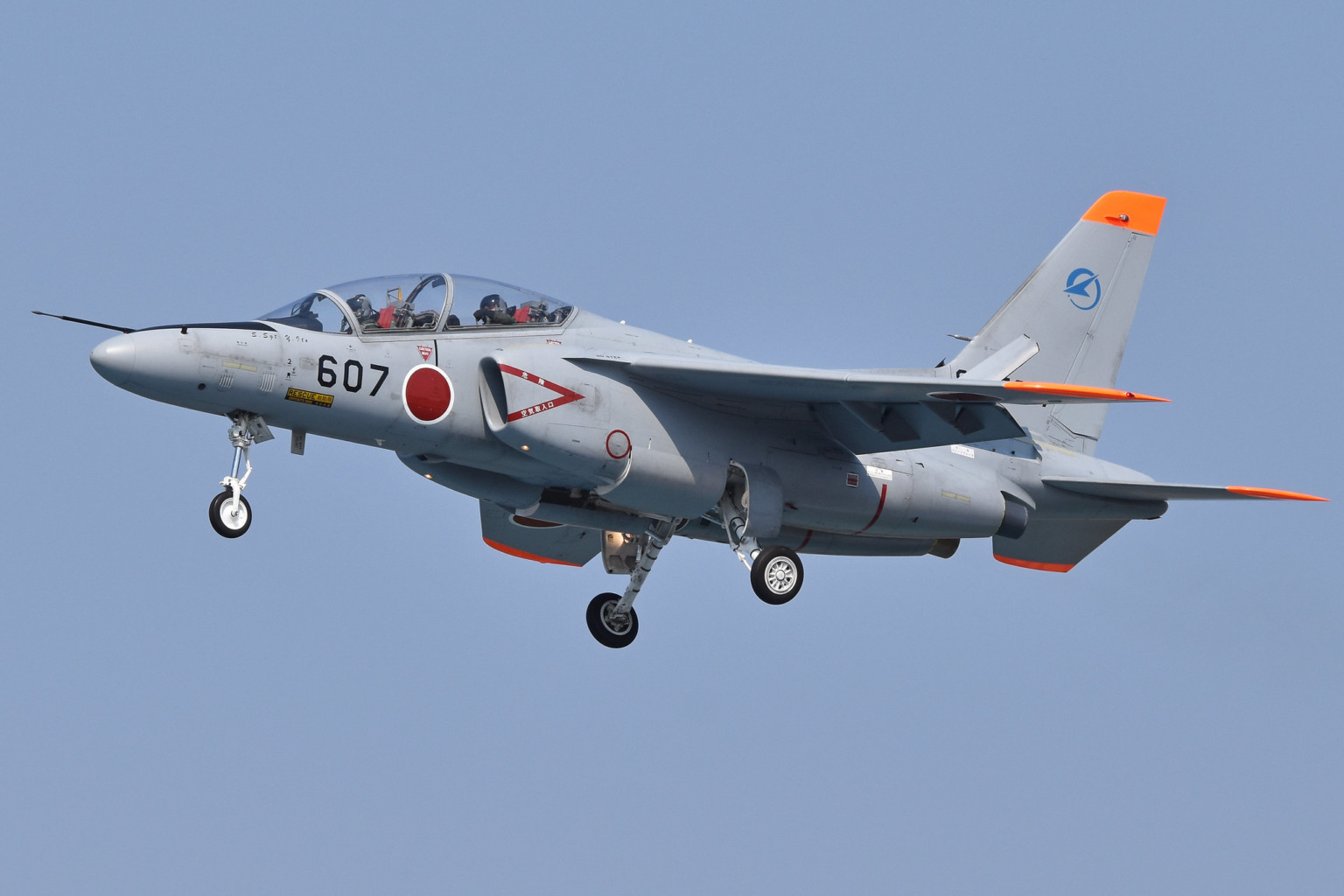
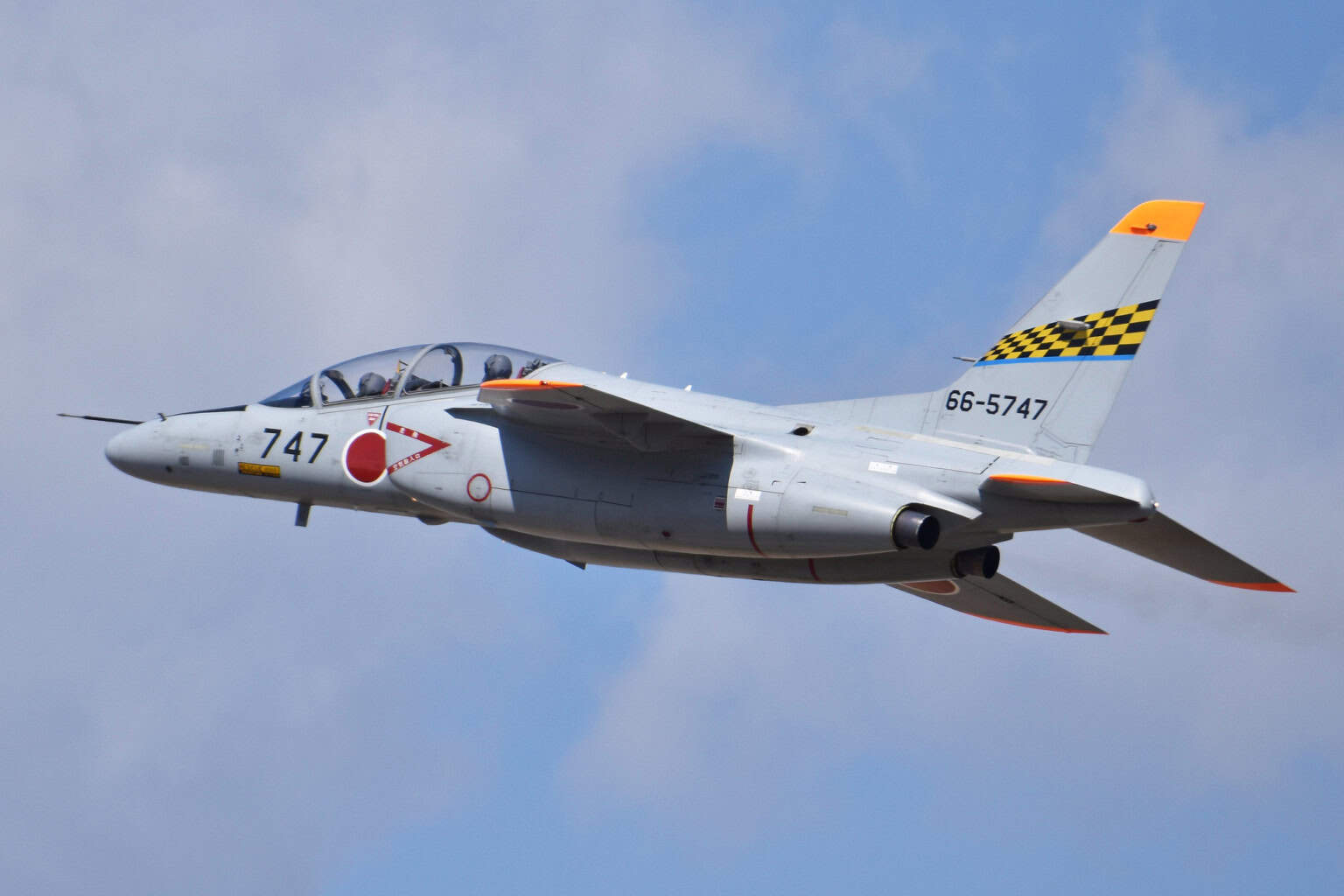

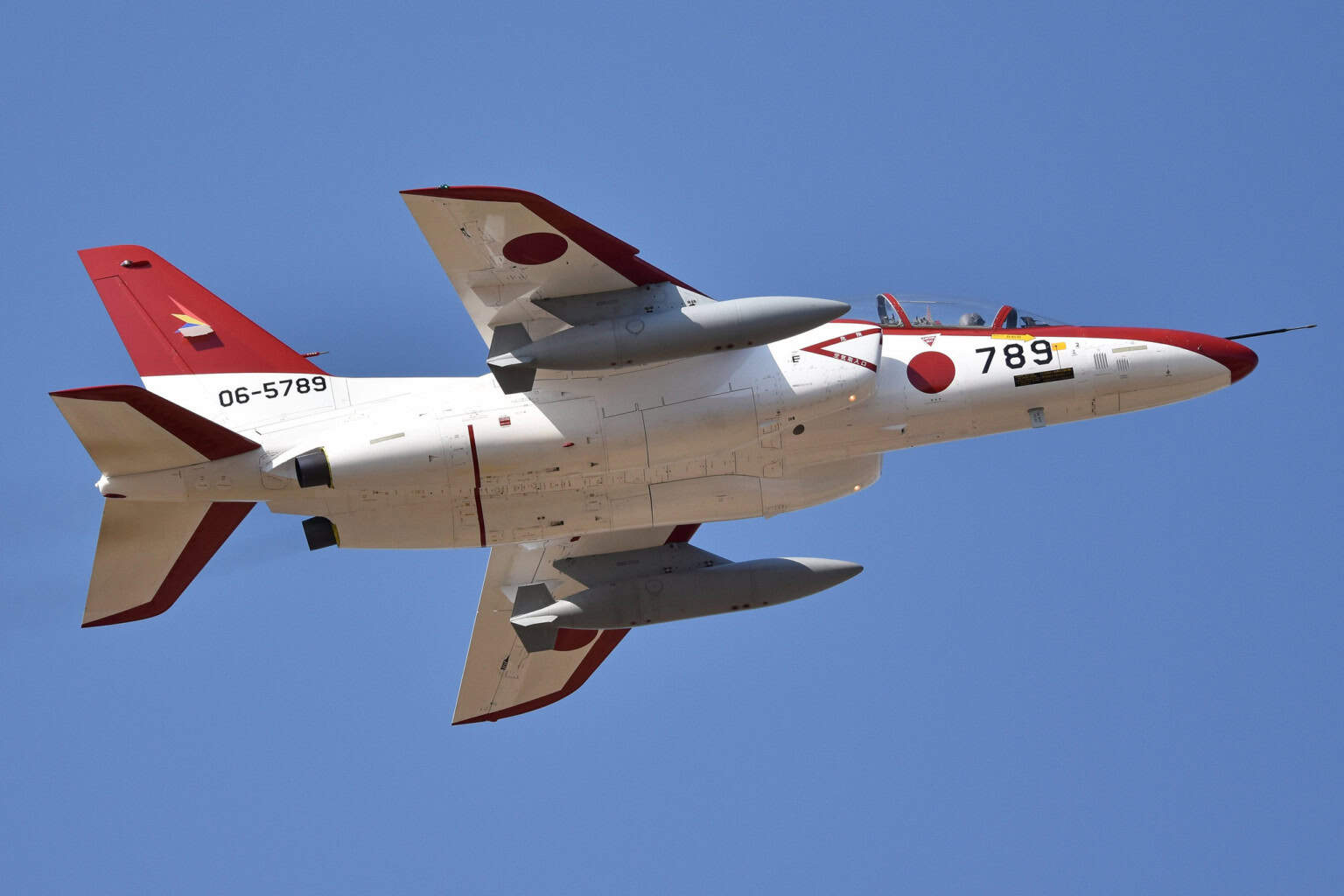
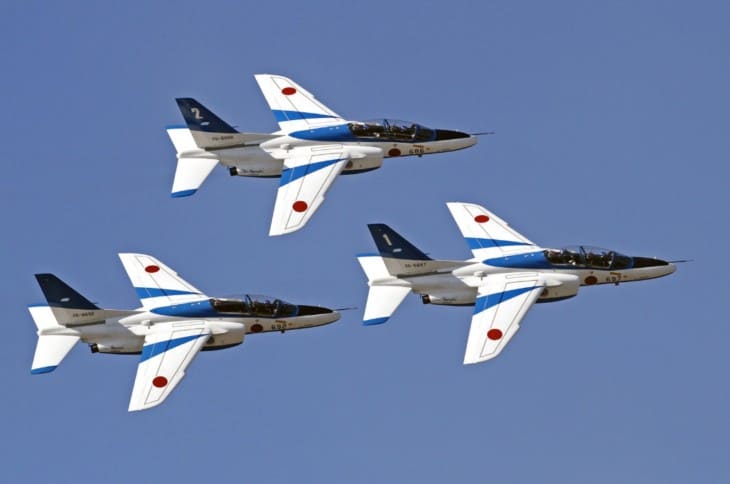
On November 1981, the Japanese conglomerate Kawasaki was chosen as the primary contractor to develop and produce a suitable trainer aircraft, which was originally named as the KA-850, to target the requirements of Japan’s MT-X program, having beaten out bids from competitors such as Mitsubishi and Fuji. The MT-X program had been initiated to purchase an aircraft that will take over the old Lockheed T-33 and Fuji T-1 jet trainer that were in service with the JASDF. Moreover, there was also a need for the planned trainer aircraft to replace some of the syllabus that was being managed by the Mitsubishi T-2. The initial program intended for a production run of two hundred and twenty-two aircraft and entered service in 1988.
Engineer Kohki Isozaki led the design team, together with planners at the Japanese defense agency. The produced design needed to meet aspects of the Japan Air Self Defense Force’s training regime that was performed by different aircraft in the past. The design had to showcase a range of transonic aerodynamic effects, and attain a high level of maneuverability, a comparatively low operating cost, and better reliability levels. Smooth handling was also essential so that trainees could convert from the Fuji T-3 piston engine after acquiring just seventy flying hours.
Out of these modifications and advancements developed the Kawasaki T-4, a clean-sheet indigenously-developed intermediate trainer aircraft.
On July 29 1985, the first prototype designated as the XT-4 took its maiden flight. Test pilots of the Air Proving Wing who operated the XT-4 noticed the type to have greater subsonic maneuverability compared to the MD F-15 Eagle. After two and a half year, flight testing with the four XT-4 prototypes came to an end with around five hundred individual flights completed.
On June 28 1988, the first production type T-4 took to the sky. By September, deliveries to the Japan Air Self Defense Force started.
The Kawasaki T-4 has a well-made, damage-resistant airframe that is mainly composed of traditional aluminum alloys, although some portions are also made of composite materials. The aircraft structure has enough strength to enable high gravity maneuvers, being rated to carry out spontaneous dives of 7.33g when being flown in a clean configuration. It is equipped with a thick-section transonic airfoil developed by Kawasaki and Japan’s Technical Research and Development Institute (TRDI) to give excellent high angle-of-attack handling and better spin characteristics. An uncommon aerodynamic feature on the aircraft is the tight leading-edge root extension (LERX) forward of the leading edge along the fuselage that generate additional vortex lift and improve the aircraft’s high-g departure proneness, like the refrainment of wing-drop and pitch-up while in aerodynamic stalls. The T-4 has an external length of 13 meters, height of 4.6 meters, and wheelbase of 7.2 meters. It has a wingspan of 9.94 meters and a wing area of 21 square meters.
The avionics were made digital to decrease both its size and weight while increasing its reliability. Usually, these systems and components have been domestically produced, despite the fact that some technologies from numerous American industries were incorporated such as the inertial guidance system that uses laser gyroscopes built by Honeywell, and the air date computer that uses transducers from Sperry. Most of the onboard systems are typical, except for the use of a licensed Onboard Oxygen Generation System (OBOGS) that was considered as an unusual choice for a trainer aircraft and had needed ample effort to suit it for use aboard the T-4. A British-type artificial feel system is also utilized.
Two Ishikawajima-Harima F3-IHI-30 two-shaft axial-flow turbofan engines power the T-4. Each engine provides a maximum thrust of 3,670 lbf.
The T-4 has a maximum speed of 560 knots at sea level and stall speed of 90 knots. It has a travel range of 901 nautical miles loaded with 120 US gal of fuel. The aircraft can fly up to 50,000 feet and has a climb rate of 10,000 feet per minute.